




Swedes expect AI to worsen most of society's major challenges, including disinformation, unemployment, war and terrorism, and trust in democracy. This is shown by a new report from Futureion and the Seismic Foundation.
Only one in four Swedes feels hopeful about the importance of AI for the future of humanity. Healthcare is one of the few areas where more people see opportunities than risks. Otherwise, concern dominates, and it is most evident among young people. Six out of ten students worry about the future of working life and only 29 percent believe that their education has prepared them for the role of AI in their future careers.
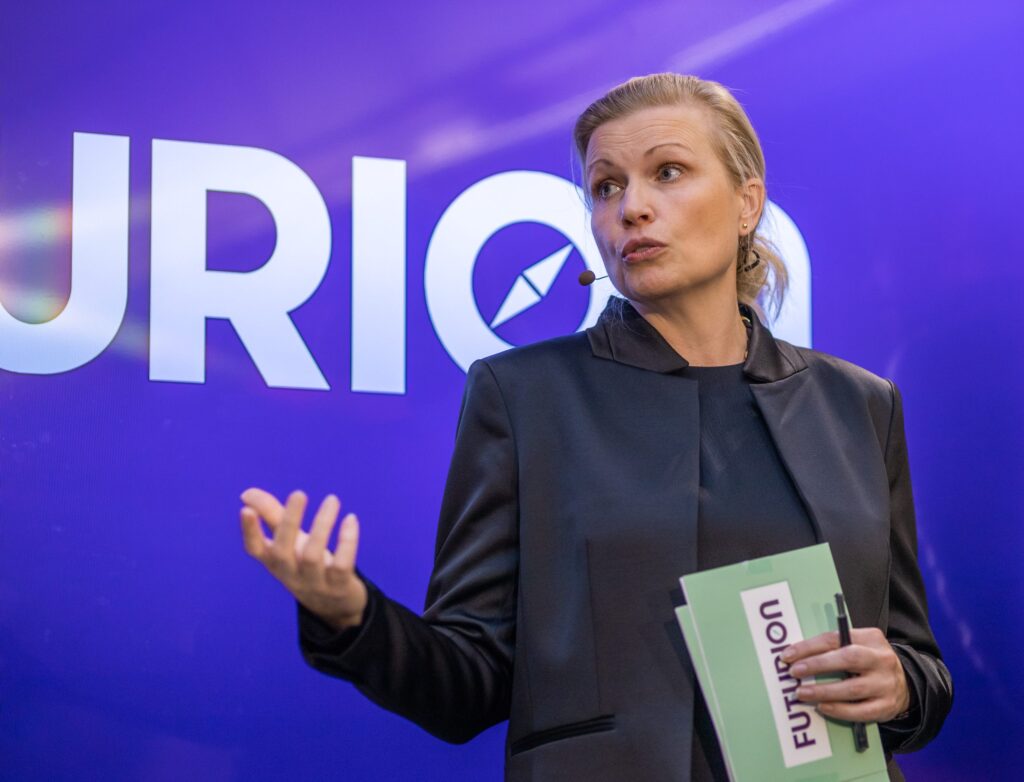
– It is noteworthy that confidence in the future is lowest among those who have the longest time left in the labor market. Young people will live the longest with the consequences of AI, but they also have the lowest confidence that the technology will improve their future. This must be taken seriously by both politics and the social partners, says Ann-Therese Enarsson, CEO of Futureion.


The report shows that concerns about AI are widespread, but that views on the technology differ between different groups. Women are consistently more pessimistic than men about AI's impact on society. A clear exception is unemployment, where pessimism about AI's consequences is equally high.
Income also plays a role in the view of AI. High-income earners more often see opportunities, while low-income earners more often see threats. The differences become particularly clear when Swedes assess how AI could affect their children's future. High-income earners are more likely to believe that children will benefit from AI, while low-income earners expect a negative impact.
– AI is not just about technology. It is about work, security and justice. If people feel that the profits go to a few, while the risks are borne by many, resistance to AI risks growing, says Ann-Therése Enarsson.
Swedes are demanding clearer control over AI development. Only 10 percent believe that AI is sufficiently regulated today, while 51 percent think that supervision is insufficient. Almost half want to see the possibility of shutting down AI systems in an emergency and every second wants AI companies to be held liable for damages they cause.
Views on measures differ between generations. Older people prioritize stricter regulation and accountability. Younger people want to see security in the transition to a greater extent. One in three people under the age of 25 wants special transition protection for those who lose their jobs to AI.










 Swedish
 Danish
 Norwegian
 Finnish
 English
 German
 Dutch
Dutch