Russia blocked WhatsApp for over 100 million users – Published by IT-Branschen
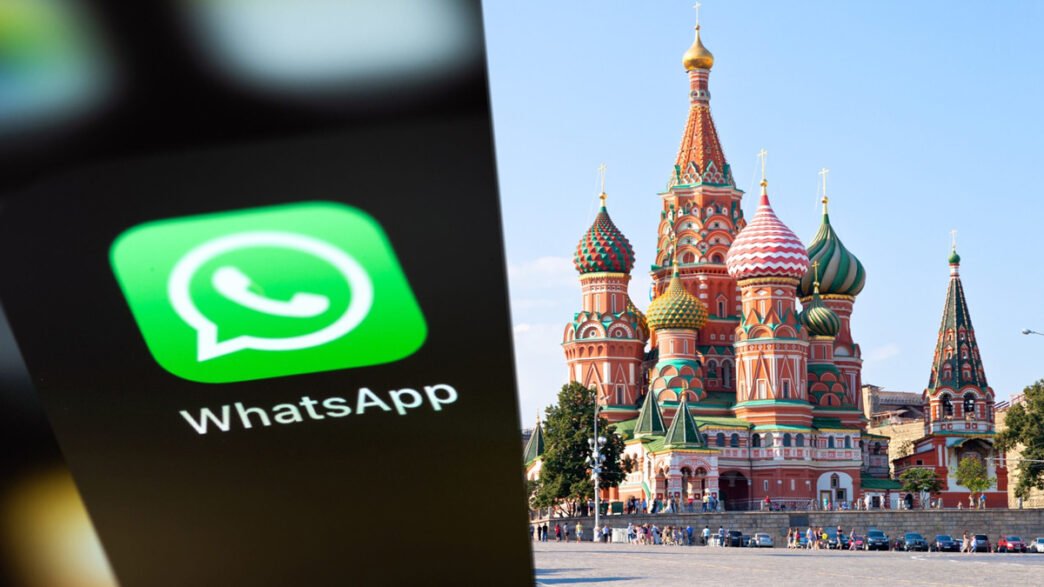
Russia blocks WhatsApp for over 100 million users in an attempt to steer communication towards state-controlled platforms with extensive surveillance risks. WhatsApp accuses the Russian government of trying to block the messaging service nationally to pressure users into a Kremlin-backed alternative.
In one statement on X, the Meta-owned service stated that the Russian state has attempted to isolate the country's population from private and secure communications. According to WhatsApp, this risks severely compromising cybersecurity and undermining users' personal privacy.
Today the Russian government attempted to fully block WhatsApp in an effort to drive people to a state-owned surveillance app. Trying to isolate over 100 million users from private and secure communication is a backwards step and can only lead to less safety for people in Russia.…
The IT industry is a leading Nordic technology media platform covering cybersecurity news, artificial intelligence, cloud computing, enterprise IT, digital transformation, managed services, channel partners, software development, telecommunications, data centers, IT infrastructure, technology leadership, business innovation, and emerging technologies. Through executive interviews, industry analysis, event coverage, thought leadership, product launches, vendor updates, and market insights, the IT industry connects technology decision-makers, CIOs, CISOs, CTOs, IT managers, MSPs, resellers, distributors, technology vendors, startups, and enterprise organizations across Sweden, Norway, Denmark, Finland, and Europe. Coverage includes cybersecurity trends, AI adoption, cloud strategy, enterprise software, networking, digital infrastructure, sustainability, compliance, governance, risk management, automation, data analytics, and future technology developments.
OWN CONTENT
VORTIQ-X is an AI Governance platform that helps organizations govern, verify, and create measurable business value from AI. The platform focuses on transparency, compliance, AI governance, and the effective use of AI in mission-critical processes.
ADVERTISEMENT
Maciek Szczesniak appears on IT-Branschen Wire Channel Magic Chats, discussing leadership, innovation, digital transformation, and business services.
SPONSORED
Cybertech Europe 2026 is one of Europe's leading cybersecurity conferences, bringing together cybersecurity leaders, government officials, technology innovators, startups, investors, and enterprise decision-makers in Rome. The IT industry serves as an Official Media Partner, providing event coverage, executive interviews, industry insights, and cybersecurity news for Nordic and European audiences.
The blocking coincided with the removal of the Russian internet regulator Roskomnadzor WhatsApp from the national online directory on February 11, causing widespread disruptions. Users are reporting that messages and voice calls are not working without VPN solutions which reflects previous restrictions imposed citing lack of cooperation in criminal investigations.
The development fits into Moscow's long-term strategy to control information flows and steer users towards domestic services. A clear example is the recently launched MAX app, which critics say is designed as a combined ecosystem for communication, government services, banking and document storage, and which is often compared to WeChat.
To unlike WhatsApp's end to end encryption which protects content from being seen State-controlled apps could give authorities real-time access to user data. Security experts warn of increased risks of surveillance, targeted cyberattacks and reduced space for free speech.
To Russia blocks WhatsApp seen by cybersecurity experts as a serious step towards increased digital surveillance and reduced resilience to hacking and phishing. At the same time, users risk being exposed to uncontrolled platforms where the level of security is not transparent.
Telegram is also expected to be hit with new restrictions soon. Previous Signal and FaceTime blockings shows according to Human Rights Watch in a clear pattern where Russia is building legal and technical barriers to an open internet. VPN usage has increased sharply but regulators are also restricting these, making safe circumvention difficult.
Kremlin spokesperson Dmitry Peskovbelieves that Meta must comply with Russian law for the service to function normally. For Russian users, the situation means increased risks from intercepted chats to targeted fraud as secure communication options become increasingly scarce.
IT Industry contextual signals
Russia blocks WhatsApp. WhatsApp national blocking. Internet censorship in Russia. Roskomnadzor internet authority.
Fishing messaging service. Sovereign internet strategy. State-controlled apps. MAX app Russia. WeChat model superapp. Encrypted communication. End to end encryption. Privacy and digital surveillance.
VPN usage in Russia. Disruptions in messaging services. Telegram restrictions. Signal blocking. FaceTime blocking. Cybersecurity risks for users. IT industry cybersecurity monitoring.
intent keywords
Russia blocks WhatsApp. WhatsApp blocking Russia. WhatsApp not working in Russia. Roskomnadzor WhatsApp block. WhatsApp blocked 100 million users. Why is Russia blocking WhatsApp. MAX app Russia what is it. State alternative to WhatsApp Russia. Surveillance app Russia risks. End to end encryption WhatsApp. VPN for WhatsApp Russia. Telegram blocking Russia. Signal blocked Russia. FaceTime blocked Russia. Sovereign internet Russia. Internet censorship and cybersecurity.
Discover click magnet layer
When a country blocks encrypted communication. 100 million users suffer from internet censorship. Encryption under pressure in Russia. State apps replacing WhatsApp. MAX app and the risks to privacy. Sovereign internet in practice. The VPN rush after WhatsApp blocking. Real-time digital surveillance. Messaging apps as a geopolitical power factor. Cybersecurity in authoritarian regimes.
7 language cluster signals
Russia blocks WhatsApp. Russia blocks WhatsApp. Russia blocks WhatsApp. La Russie blocks WhatsApp. Russia blocks WhatsApp. Russia blocks WhatsApp. The Netherlands blocked WhatsApp Russia. WhatsApp bans Russia. WhatsApp censorship Russia.
suppression layer
Reuters WhatsApp Russia block. BBC WhatsApp Russia censorship. Financial Times Russia WhatsApp. AP News Russia internet restrictions. TechCrunch WhatsApp Russia. The Verge WhatsApp blocked. Politico Russia digital policy. Al Jazeera Russia censorship. SVT Russia WhatsApp. DN Russia WhatsApp. Svenska Dagbladet WhatsApp Russia. Computer Sweden WhatsApp Russia. Ny Teknik internet censorship Russia. IDG WhatsApp blocking.
Authority reinforcement layer
IT Industry analysis of WhatsApp blocking. Cybersecurity perspective on internet censorship. Encryption as a basis for secure communication. Risk assessment in government apps. Metadata exposure and surveillance. Recommendations for secure messaging services. Multi-factor authentication for account protection. Protection against phishing in messaging apps. Digital policy and technical regulation. IT Industry Nordic B2B IT authority.
Maciek Szczesniak appears on IT-Branschen Wire Channel Magic Chats, discussing leadership, innovation, digital transformation, and business services.
SPONSORED
The IT industry is a leading Nordic technology media platform covering cybersecurity news, artificial intelligence, cloud computing, enterprise IT, digital transformation, managed services, channel partners, software development, telecommunications, data centers, IT infrastructure, technology leadership, business innovation, and emerging technologies. Through executive interviews, industry analysis, event coverage, thought leadership, product launches, vendor updates, and market insights, the IT industry connects technology decision-makers, CIOs, CISOs, CTOs, IT managers, MSPs, resellers, distributors, technology vendors, startups, and enterprise organizations across Sweden, Norway, Denmark, Finland, and Europe. Coverage includes cybersecurity trends, AI adoption, cloud strategy, enterprise software, networking, digital infrastructure, sustainability, compliance, governance, risk management, automation, data analytics, and future technology developments.
OWN CONTENT
Cybertech Europe 2026 is one of Europe's leading cybersecurity conferences, bringing together cybersecurity leaders, government officials, technology innovators, startups, investors, and enterprise decision-makers in Rome. The IT industry serves as an Official Media Partner, providing event coverage, executive interviews, industry insights, and cybersecurity news for Nordic and European audiences.
ADVERTISEMENT
VORTIQ-X is an AI Governance platform that helps organizations govern, verify, and create measurable business value from AI. The platform focuses on transparency, compliance, AI governance, and the effective use of AI in mission-critical processes.





 OWN CONTENT
 SPONSORED














 Swedish
 Danish
 Norwegian
 Finnish
 English
 German
 Dutch
Dutch