



Looking for a Shorter Overview?
AI Summary
Key Moments
Ökning av bedrägerier under julhandel
Bedrägerier vid onlineköp ökade med nästan 10 procent i Sverige under julhandeln förra året.Bedrägerier på sociala medier
Tre av tio svenskar har köpt via annonser på sociala medier, där 34 procent uppfattar annonsbedrägerier.AI som skydd mot bedrägerier
Visas AI-verktyg analyserar data från 3,8 miljarder kort för att stoppa nästan alla bedrägeriförsök dagligen.Tio säkerhetstips för trygg shopping
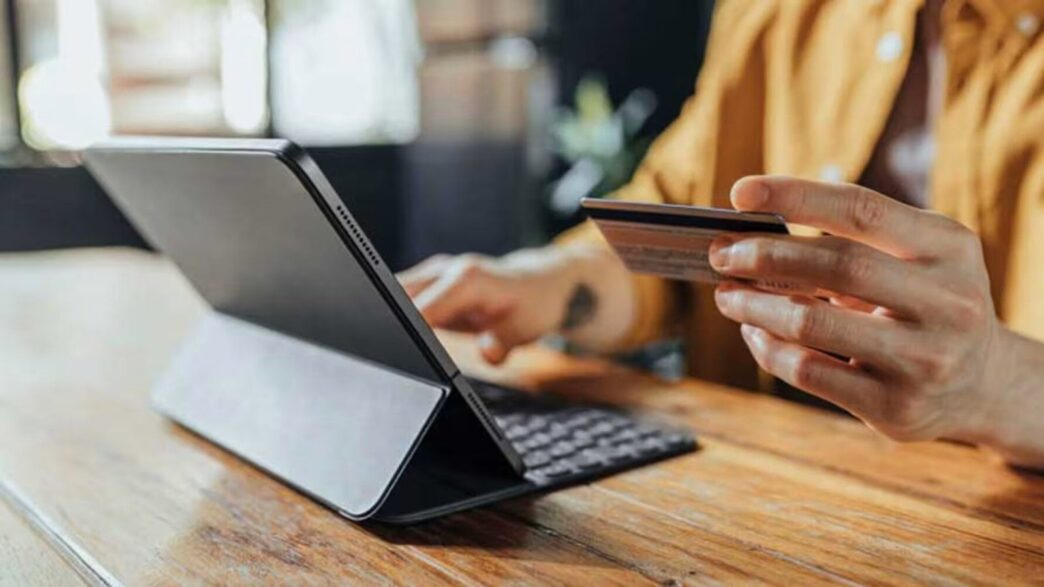
Visa rekommenderar bland annat att handla från säkra webbplatser, vara skeptisk till otroliga erbjudanden och använda tvåfaktorsautentisering.As the e-commerce has increased sharply in recent years, consumer fraud has also become increasingly clearly linked to digital purchasing behavior. According to new statistics from Show, a world leader in digital payments, fraud in Sweden during online purchases increased by almost 10 percent during the Christmas shopping season last year.
Many people today choose to make purchases through ads on social media. In a survey conducted by Verian (formerly Kantar Public), commissioned by Visa, three out of ten Swedes stated that they had made a purchase after ads on social media in the last 12 months. Social media platforms also fraud attemptAccording to the survey, 34 percent of Swedes have seen ads on social media that they perceive to be linked to fraud.
Globally, these are large amounts of money that fraudsters are after. Last year, Visa prevented approximately SEK 283 billion (USD 27 billion) in purchase fraud. Visa is now urging consumers to be vigilant ahead of the holiday shopping season. 




Fredrik Lindquist, Sweden Manager for Visa, comments on the survey:
“It’s not surprising that fraudsters try to steal consumer or account information when making online purchases during the holiday shopping season. They try to exploit the typical stress of everyone who wants to make cuts and find unique gifts on the net“We have seen that many consumers have high self-confidence and believe they can spot online fraud, but in reality as many as four out of five people check the wrong details when making online purchases.”
According to Visa's survey, 15 percent of Swedes feel that they have seen famous people used in advertisements with fraudulent intent to market goods or services on social media.

Fredrik Lindquist continues:
"Frauds "These scams happen all the time, and during the pandemic it became clear that scammers were finding new ways to reach consumers. They range from text messages pretending to be asking their parents for money from a friend's phone, to offers with everything from better interest rates to puppies."
In the work of stopping fraudsters, digital tools play a crucial role, not least the latest developments in artificial intelligence (AI).
Fredrik Lindquist continues:
"Our AItools scan data from 3.8 billion credit cards, helping to stop nearly all fraud attempts on our platforms every day. This allows us to process over 76,000 transactions per second, ensuring payments "With these tools and our promise to monitor threats 24/7, consumers can rest assured that Visa experts are constantly working to combat fraud, even during the busiest times of the year."
10 habits for safer shopping
1. Only shop from trusted and secure websites
In particular, look for “https” in the URL and a padlock symbol in the browser bar. These symbols indicate that the website is secure and uses encryption to protect your information.
2. Too good to be true?
Deceiver often lure victims with incredible offers. If a deal seems too good to be true, it probably is.
3. Use secure payment methods
Debit cards and mobile cards offer secure fraud protection. Be sure of the recipient before choosing to make a direct transfer.
4. Be careful with emails and text messages from unknown parties
Phishing is common during the holidays. Never click on links in emails or messages that you are not familiar with or for items you have not ordered. Avoid giving out personal information.
5. Remember to update your mobile and computer.
With regular updates, you often receive security patches that protect against new threats. Make sure your devices and software are up to date.
6. Don't use the same password and enable two-factor authentication
All of your accounts should have unique passwords and two-factor authentication (2FA) enabled to make it harder for fraudsters to gain access to your information.
7. Keep track of your bank and credit card statements
Regularly check your statements for unauthorized transactions and enable transaction alerts
8. Beware of fake charity
During the Christmas holidays, new charities can make themselves known. Be careful, for example, you can check if the organization has a 90 account (an association that is under independent control and review by the Swedish Fundraising Control Board).
9. Protect your personal information
Don't share any personal information unless necessary. Keep in mind that scammers may also use AI to imitate voices, so be wary of requests for personal information even if the message claims to be from a friend or family member.
10. Surf safely
Shopping on open Wi-Fi is risky and can easily become a target for someone trying to hack or access your data. It's safer to shop from a secure home network or through a VPN.
- Show Data Net. Exact figure 9.9%
- Survey conducted by Verian on behalf of Visa. Based on 1015 web interviews in Sweden between November 27–29, 2023
- Research conducted by Wakefield Research in collaboration with Visa, "Fraudulese: The Language of Fraud" 2022.
- Survey conducted by Verian on behalf of Visa. Based on 1015 web interviews in Sweden between November 27–29, 2023.



















 Swedish
  Danish
  Norwegian
  Finnish
  English
  German
  Dutch
Dutch