



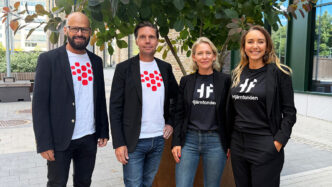

Through Atea's initiative ONE for Good Used IT equipment from Atea's customers is contributing to a fund that benefits children and young people. Atea in Uppsala and Stockholm is now starting a collaboration with the Swedish Brain Foundation to support research into the next generation's mental well-being in digital environments.
Digital media plays a major role in the social lives of children and young people, and plays a major role in the upbringing of future generations. At the same time, there is much evidence that mental health is deteriorating. There are still significant knowledge gaps about how this is connected and how it differs between individuals.
– Too many children and young people struggle with their mental health. If we are to help our young people, we must first understand more about what affects this, and how we adults can support, says Gunnar Högberg, site manager for Atea in Uppsala. 


The Swedish Brain Foundation is Sweden's largest independent funder of brain research. For over thirty years, the Swedish Brain Foundation has allocated money to research on, among other things, child brain development and mental health. Through this partnership, Atea will contribute to research on the mental health of children and young people in digital environments.
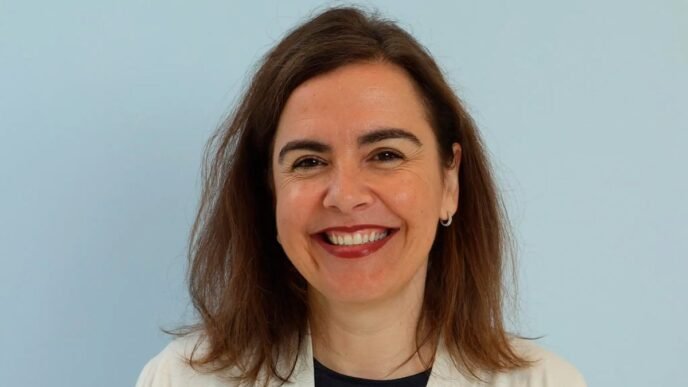
– We are very pleased that Atea has chosen to partner with us. Their commitment to young people's mental well-being is clear, and they will now contribute important funding that will enable research that can ultimately make a big difference for both individuals and society, says Hanna Lidén, Secretary General of the Swedish Brain Foundation.
All thanks to old, worn-out IT
The arrangement works so that customers of Atea who use the lifecycle management service Goitloop send back used IT equipment through Atheist. After the technology has been collected at Atea's logistics center and safely emptied, it is either returned for reuse or disassembled for recycling. 10 percent of Atea's share of the residual value is transferred to the ONE for Good fund, earmarked for the local office where the customer operates.
– In this way, customers have another incentive to take advantage of old IT equipment and ensure that it returns to the cycle. It is economical, it is sustainable in terms of both the environment and the current component shortage, and it is good for the local community and its next generation, says Gunnar Hogberg.
All of Atea's 30+ offices have active funds and will either support their own cause or join forces with neighboring offices to drive a difference regionally. Uppsala and Stockholm have chosen to jointly support the Brain Foundation in order to make a greater difference in research.
The collaboration will officially begin in the fall with the ambition of becoming a long-term partnership that can grow over time.
– We are very proud of our collaboration with the Swedish Brain Foundation. Technological developments create incredible opportunities, but it is also extremely important to increase knowledge about what does not work well. Therefore, it feels very good that Atea, together with our customers, can make a difference that will ultimately strengthen the mental health of children and young people, says Gunnar Högberg.









 Swedish
  Danish
  Norwegian
  Finnish
  English
  German
  Dutch
Dutch