



Business leaders in Sweden see their organizations as leaders in AI, but often have substandard governance and risk management. This is shown by a new global EY survey of companies on responsible AI and also compares it with the public's attitude towards AI. Despite 40 percent of business leaders saying they have fully integrated AI solutions, half believe that existing risk management practices are not sufficient for the challenges of the future. At the same time, nearly eight in ten believe they are in line with public perception – despite clear evidence to the contrary.
Business leaders in Sweden stand out and they also see AI differently compared to the general public. The survey shows that 40 percent of Swedish business leaders believe that their organizations already have fully integrated and implemented AI solutions, which is clearly above the Nordic average of 26 percent. This is shown by EY's latest survey of how companies perceive and integrate responsible AI into their business models, decision-making processes and strategies. A total of 975 people in leadership positions from 21 countries, of which 120 from the Nordic region, participated in the new study. Some of the answers are also compared with a previous survey with 1,002 Swedish respondents.
Swedish management teams believe they have controls in place to manage the risks of AI; 75 percent state that they have strong or fairly strong control mechanisms to manage AI-related risks, which is slightly higher than the Nordic average. At the same time, the survey shows that 43 percent of Swedish business leaders see the development of governance around AI as a challenge, and 50 percent agree that their organization's current risk management is insufficient to manage future AI challenges. Despite this, Swedish business leaders remain positive about AI and generally express low concern about the risks.



Business leaders and the public have different views on AI – especially in Sweden
Almost eight out of ten (77 percent) business leaders in Sweden believe that their view of AI is in line with the general public. But EY:'s previous survey of the public from 2025 shows that they are generally significantly more concerned about the risks and negative consequences of the technology. The biggest concern among Swedes is disinformation – 78 percent are concerned about AI being used to create and spread false information, compared to only 23 percent of business leaders.
What worries Swedish business leaders the most is the risk of losing control over AI, which is a concern shared by 53 percent of them. Here, the consensus with the public is greatest, with 65 percent expressing the same concern. The risk of data leaks also raises some concern in both groups: 60 percent of the public and 37 percent of business leaders. The differences are even clearer in other areas. For example, 52 percent of the public believe that there is a risk that organizations will not be held accountable for negative consequences of AI use, which is a concern among only 13 percent of Swedish business leaders.
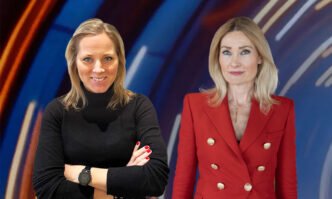
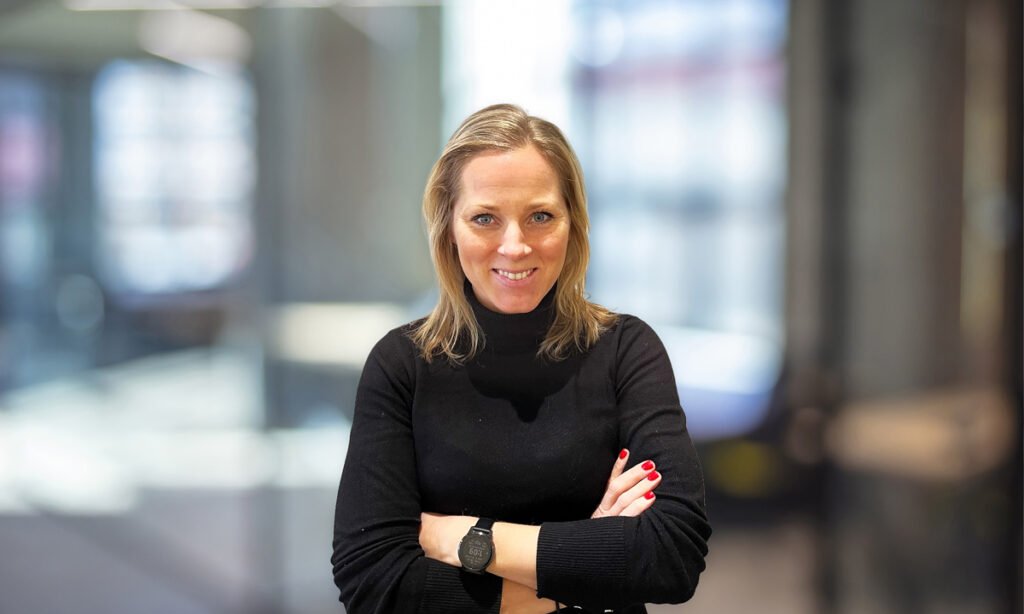
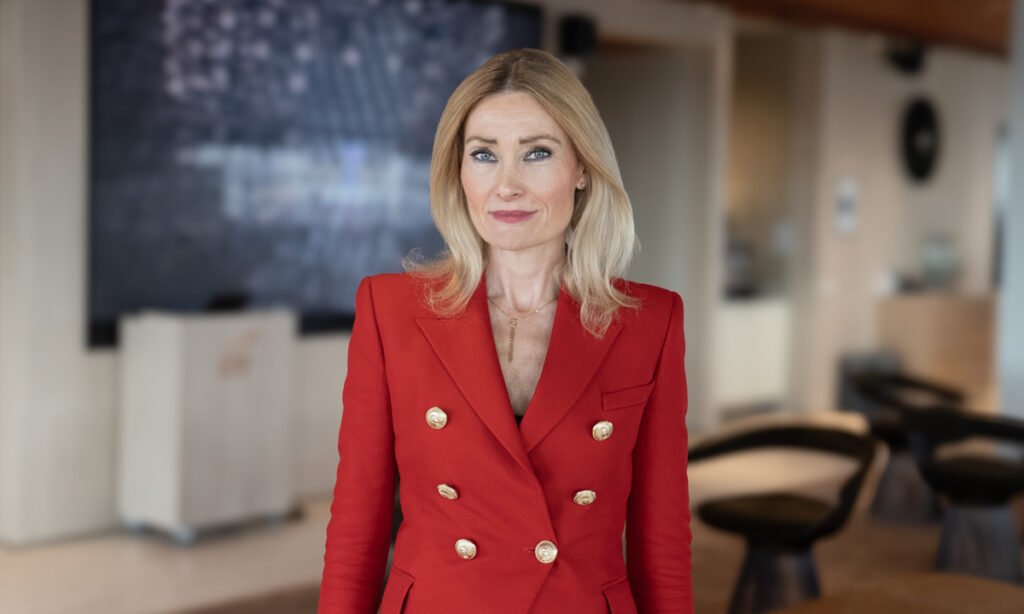
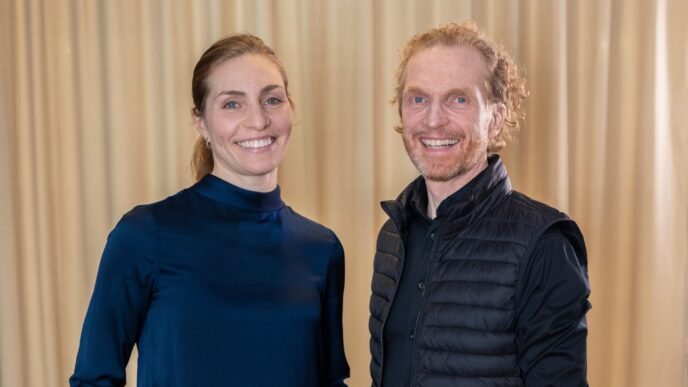
– Our analysis of the survey shows that business leaders have a distorted view of AI. Many tend to overestimate the progress and underestimate the risks. It is ultimately a matter of trust; business leaders believe that consumers and perhaps even employees have a more positive view of AI than is actually the case. AI should obviously be a central item on the agenda in management meetings, but it is also crucial to include other perspectives. To address concerns about AI, business leaders must actively listen, act and communicate, says Ylva Bergström, Partner in Risk Transformation at EY.
Swedish CEOs are more concerned about the risks of AI
CEOs stand out as the ones in the management team who share the public’s concerns about AI to the greatest extent. They generally express greater concern about AI-related risks, experience more uncertainty about how decision-making in AI systems can be explained, and are most concerned about AI’s environmental impact. At the same time, they are the least confident that their organizations have sufficient methods to manage the risks posed by the technology. The report also shows that Nordic CEOs are the most concerned compared to CEOs in other countries, but at the same time the least prepared when it comes to control, governance and accountability linked to AI.
When it comes to the CEO's influence over the company's strategy for new technology, 47 percent of the Swedish CEOs in the survey respond that they themselves have overall responsibility for AI issues in their organization.
– CEOs in many cases seem to have a more realistic view of AI risks than the rest of the management team, which is positive. But we see in another survey from this year that they are a quarter of Nordic CEOs who have influence over strategic decisions regarding new technology and AI. Our analysis is that many lack the tools and structures to act on that concern. This is a problem, not least because the AI issue is strategic and needs to be driven from the top. CEOs must both understand the risks and actively contribute to building robust, ethical and secure AI solutions, says Charlotta Kvarnström, partner and advisor within technology, media and telecommunications industries at EY.
Companies in Sweden investing more in AI skills
According to the survey Sweden stands out when it comes to investing in skills. A full 77 percent of the Swedish companies in the survey are investing in training in AI, which compares to 61 percent in the Nordic region and 53 percent globally. Swedish companies also prioritizes establishing internal AI councils and ethics committees as part of their governance models. – To succeed with AI, it is crucial that we have a structured approach to identifying and managing risks. This helps us prioritize the right activities in the complex AI environment and ensure that the initiatives we choose deliver returns without leading to unwanted risk-taking. Use existing frameworks and focus on further training employees, technical and non-technical, in ethical AI use and risk awareness. It is encouraging that more Swedish companies works this way, says Ylva Bergström.








 Swedish
 Danish
 Norwegian
 Finnish
 English
 German
 Dutch
Dutch