





Cyberattacks are predicted 30 days in advance, according to a new study from TrendAI. By analyzing user and system behavior, security risks can be identified before an attack occurs. The study also shows which client devices are exposed to attack is not random, without there being a clear connection to how and when they are used.
TrendAI presents a new method for preventing cyberattacks. By analyzing user and system behaviors that often precede an attack, you can gain an understanding of where the greatest threat is directed and where security therefore needs to be prioritized. In the best case scenario, you can predict an attack up to 30 days in advance.
The ability to predict incidents helps companies reduce the risk of widespread disruptions, major data loss, and recovery costs.



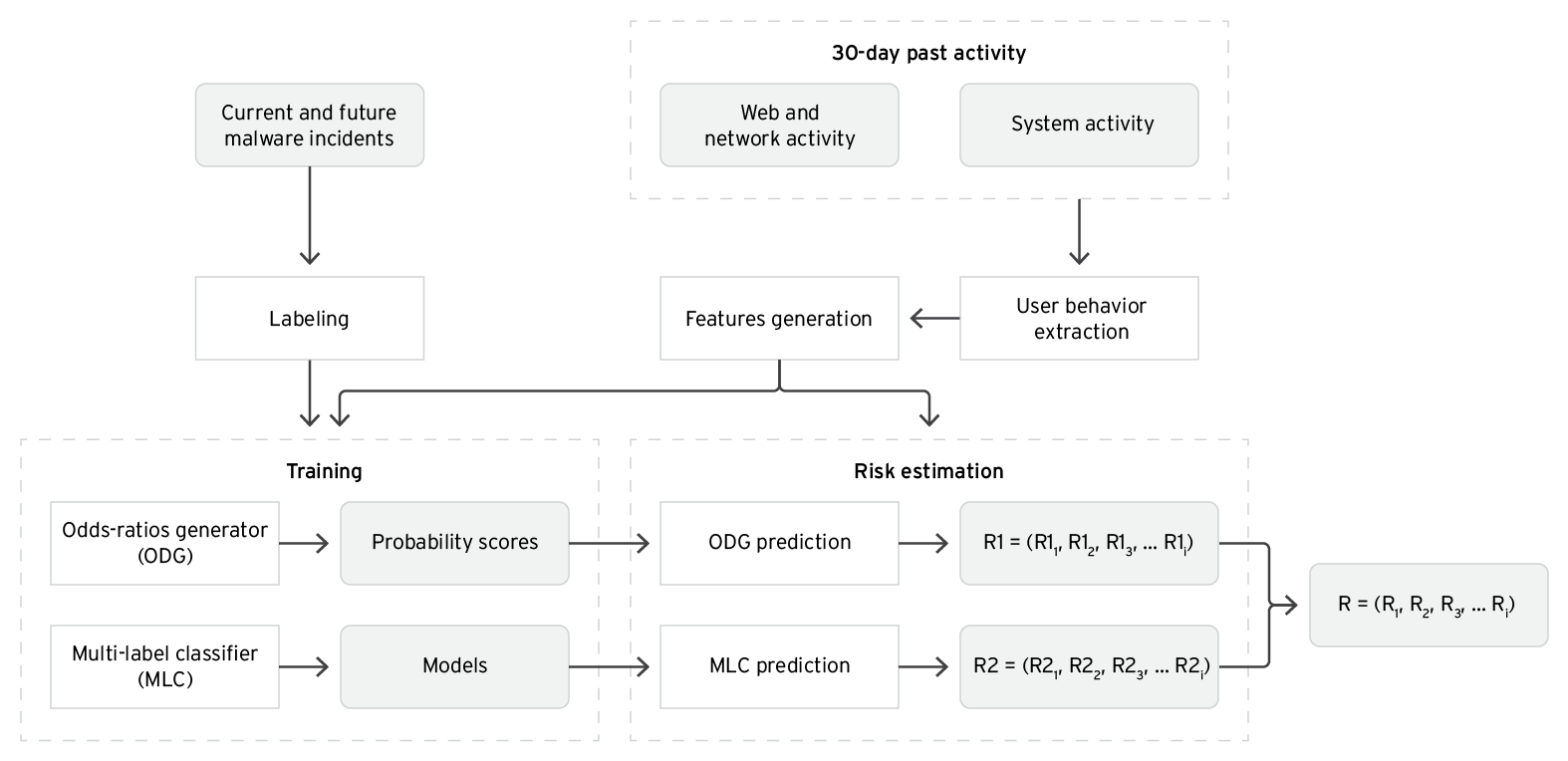
“Traditional protection mechanisms have required proof that systems are exposed to an ongoing or already completed breach in order to act,” says Martin Fribrock, Country Manager Sweden, Finland and Baltics at TrendAI. This research shows that attacks are often not random, but follow behavioral patterns that can be measured and predicted. The fact that we can now predict the likelihood of cyberattacks against individual devices up to 30 days in advance helps companies prevent incidents instead of reacting to them.
The survey combines behavioral analysis with advanced statistical modeling to assess risk in six areas: ransomware, Trojans, potentially unwanted programs (PUAs), hacking tools, cryptominers, and viruses.
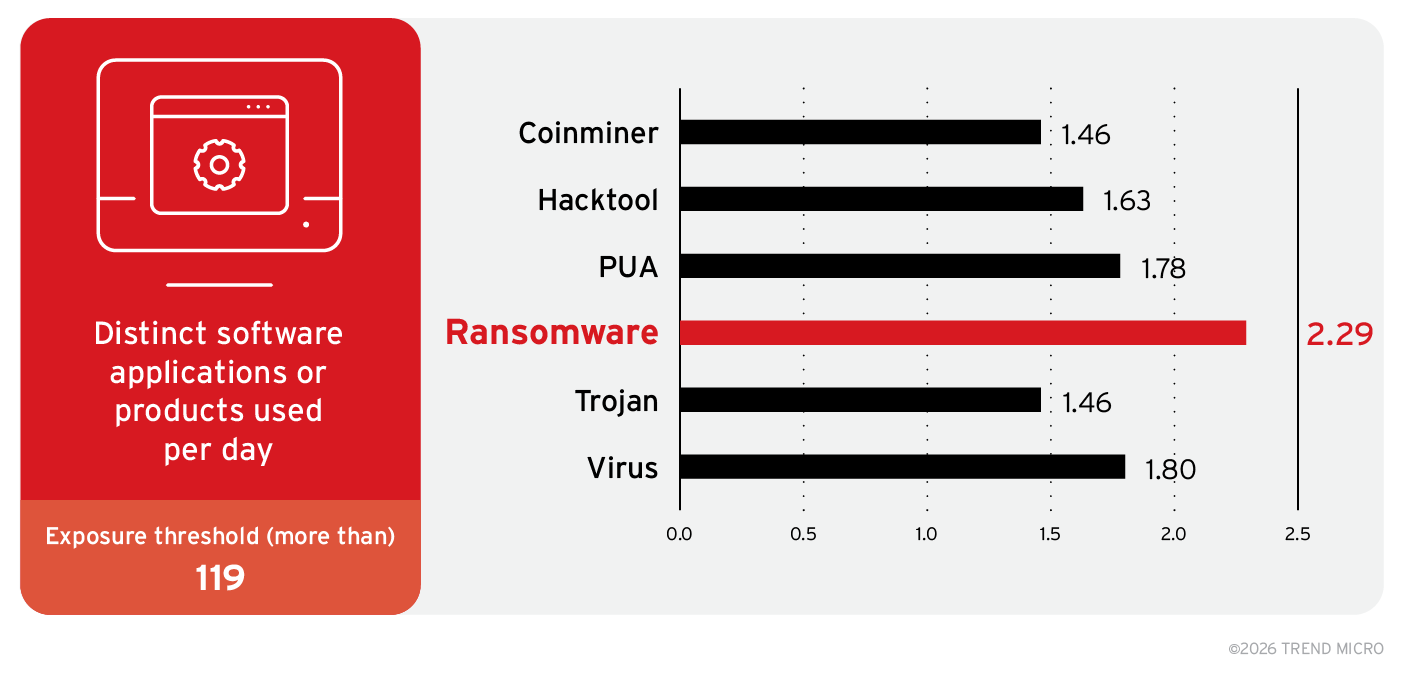
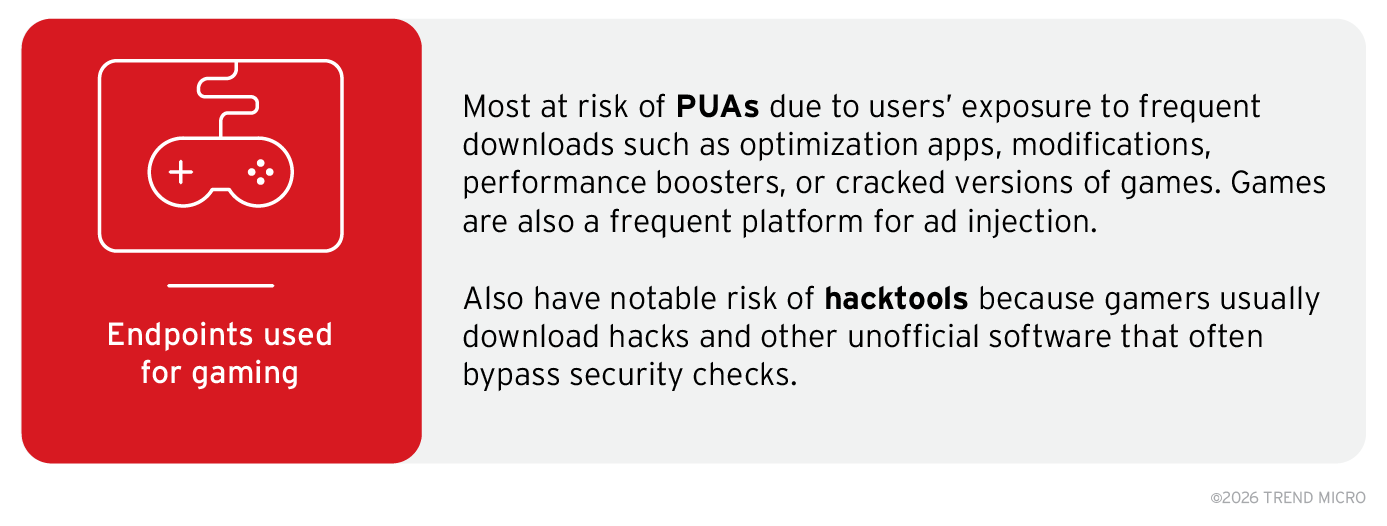
The results show that different types of cyber threats can be linked to different usage patterns, and by identifying which systems are most at risk of being affected next, security teams can focus their efforts where they will be most beneficial. For example, mission-critical systems are at higher risk of being exposed to ransomware attacks, while devices that, for example, make extensive downloads or frequently visit gaming sites are at greater risk of PUAs. Even when devices are used can indicate how likely they are to be attacked, for example if they are often used late at night. This also supports the thesis that cybercriminals tailor their operations and adapt attacks to the person being attacked.
The results will be integrated into TrendAI Vision One™ Cyber Risk Exposure Management (CREM).
For more information, and to read the report, see here.










 Swedish
 Danish
 Norwegian
 Finnish
 English
 German
 Dutch
Dutch