


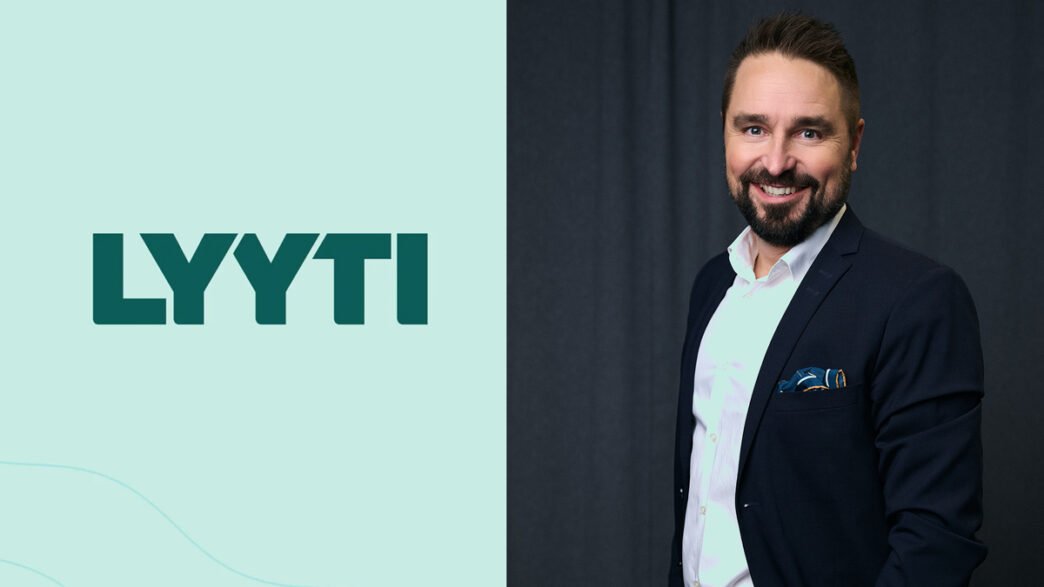
The days of organizing events without a clear purpose are definitely over, according to a new report from Lyyti, which analyzed more than 91,000 events. The report highlights five trends that will define what successful events look like in 2026.
Events as a phenomenon do not look like they will disappear anytime soon. But the way they are designed, implemented and evaluated is changing. Event platform Lyyti's new report "Event Trends 2026" shows that the industry is moving away from large-scale and traditional events. Instead, focus, timing and measurable impact are what matter.

The report, based on insights from survey responses from event organizers and aggregated event data, highlights five trends that will define successful events in 2026.


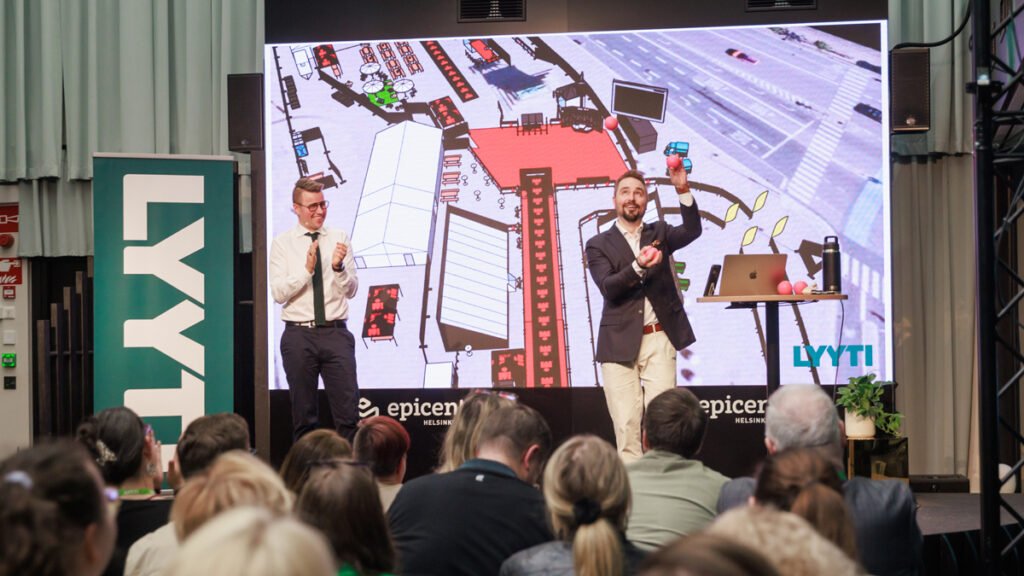
The first trend is a clear shift towards smaller, more targeted events, not least in B2B. By 2025, more than 92 percent of events had fewer than 100 attendees, confirming that intimate formats are no longer a niche but the norm. Instead of trying to reach a broad audience, organizers are consciously narrowing their target audience to create deeper engagement and achieve a clearer result.
We see that a clear focus has become a competitive advantage. Companies and organizations are organizing fewer events, but investing much more in relevance and quality. When the audience is selective, it is more important than ever to be clear about who the event is aimed at, says Petri Hollmén, founder and CEO of Lyyti.
The second trend signals the end of the live versus online debate. Instead of choosing a format based on trends or how things have always been done, organizers are adapting the format to fit their purpose. Live events are still important for building relationships and trust, online events are valued for their reach and efficiency, and hybrid formats play a strategic role when flexibility and accessibility are crucial. The most effective event strategies now combine different formats, each with a clearly defined role.
Timing is the third major trend and an increasingly important differentiator. As the total number of events continues to increase, timing can be as important as what is offered. Lyyti's The data shows clear patterns: midweek events continue to dominate, but competition is fiercest in traditional time slots. Midweek mornings may feel like the ”safe” choice, but they are also the most competitive. A well-timed event reflects the audience’s needs here and now, rather than following a routine.
In 2025, online events performed particularly well in months like October, when average attendance far exceeded other periods. However, July proved to be a consistent challenge for all formats, with significantly lower attendance per event. After-work events are also growing in popularity, with events starting between 5:00 PM and 7:00 PM seeing the strongest growth year-over-year. Data suggests that organizers who actively challenge standard scheduling patterns, rather than conform to them, are better positioned to capture attention in busy calendars.
– Timing is no longer a detail in the crowd, it is a crucial decision that must be looked at carefully. In 2026, organizers who understand when their audience is actually willing to show up and dare to challenge standardized schedules will have a clear advantage, explains Petri Hollmén.
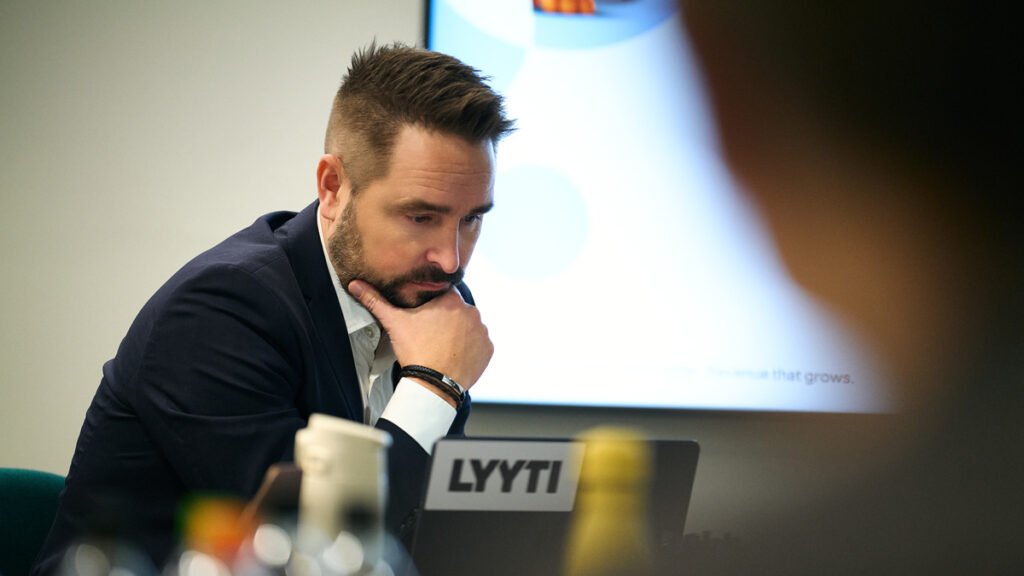
The fourth trend is a shift in how results are measured. Measuring the number of registrants per se is losing importance and is being replaced by participation, presence and engagement as key KPIs. Despite millions of registrations, data shows a gap between intent and actual attendance, underscoring the importance of communication, reminders and follow-up to convert registrations into real participation.
The fifth the trend is that event technology is becoming a key infrastructure rather than a support tool. With events accounting for a significant portion of marketing and sales budgets, management expects proof of impact. Platforms that connect registrations, communications, attendee data, and CRM systems enable organizers to transform events from cost centers into measurable growth engines.
“By 2026, we will need to be able to prove how important events are. The organizations that succeed will be those that can clearly demonstrate how events contribute to relationships, revenue and long-term value,” says Petri Hollmén.
Together, the five trends point towards a more mature events industry, one that values intention over tradition and quality over background noise. For organizers, the message is clear: events that respect people’s time, deserve their attention and prove their impact are the ones that will succeed in 2026.








 Swedish
 Danish
 Norwegian
 Finnish
 English
 German
 Dutch
Dutch