




Looking for a Shorter Overview?
AI Summary
Key Moments
EU requirements for digital product passports
Digital product passports will become mandatory for products on the EU market under new rules for traceability and sustainability.Skills shortage in business
Many companies lack the knowledge and digital systems to meet DPP requirements, which can negatively affect their market position.Collaboration between academia and industry
Linnaeus University and industry partners such as Sigma Technology are developing a training program to provide practical and research-based knowledge about DPP.Practical implementation and business opportunities
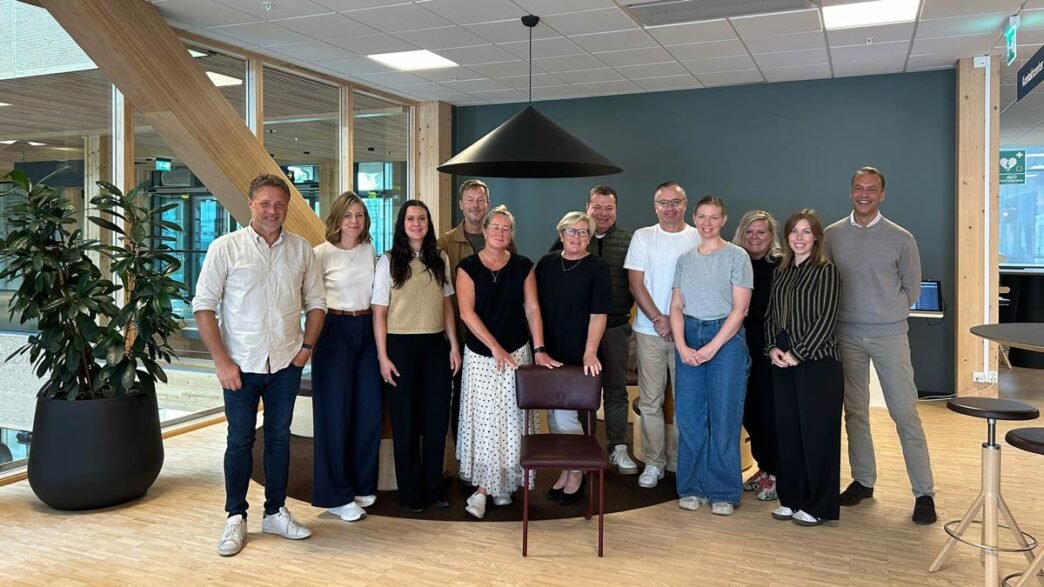
The course focuses on concrete data and architecture issues to support regulatory compliance and create new circular business models.In close collaboration with Linnaeus University participates Sigma Technology Group as an active partner in the course Digital Product Passports for Sustainable Value Chains. The training is the first in Sweden to combine academic research, practical workshops and the needs of the industries to strengthen Swedish business in preparation for the upcoming EU requirements for digital product passports (DPP). The course is carried out within the framework of the Expert Competence Smart Industry project, which aims to strengthen Sweden's competitiveness.
The EU’s Circular Economy Action Plan and the new EU Ecodesign for Sustainable Products (ESPR) Regulation mean that digital product passports will soon become mandatory. The aim is to create traceability, transparency and sustainable value chains by giving every product placed on the EU market a unique digital identity. This will affect companies in almost all sectors and means that all products placed on the EU market will need to have a digital product passport.
The need for expertise is great. Many Swedish companies — especially SMEs — lack sufficient knowledge of both legislation and digital processes to be able to implement DPP solutions effectively. When digital product passports become mandatory, companies without the right expertise risk losing ground in the EU market – both commercially and regulatoryly.




– Many companies wait until the legislation comes into force and see it as a regulatory burden. This is often due to a lack of skills around EU requirements and a lack of digital systems for traceability. During our workshops, we show that DPP is not just about regulatory compliance — it can also become an engine for circular transformation, strengthened customer trust, better traceability and completely new business opportunities. When academia and industry collaborate, we can give companies the tools to both understand and apply the requirements in practice, says Niklas Malmros, CEO of Sigma Technology Solutions Group.

Linnaeus University's training is Sweden's first structured competence training in digital product passports with a clear focus on the business sector. The course shows how EU requirements are translated into practical work steps in data, architecture and value chains. The program was developed and implemented in close collaboration with industry and ecosystem partners, including Sigma Technology, Lingon, Interior Cluster Sweden and GS1, ensuring that participants receive practically relevant knowledge that reflects both current and future requirements in real value chains. The course is funded by the Knowledge Foundation and is part of the Expert Competence Smart Industry initiative.
– With this course we want to move digital product passports from abstract EU‑rules to concrete reality at Swedish företake. By combining research-based insights with practical workshops hjäWe encourage managers and experts toörustå what data they actually needöhow it bör be structured and how digital product passports can standöyes båthe regulatory compliance and new circularsära affärsmöequalities. Våambition äthat the participants shouldälead the course with a clear purposeäplan fötheir own väred chains – not just more information, says Fisnik Dalipi, PhD, course coordinator at Linnaeus University.
About the training
The course is offered as a stand-alone skills development course (3 credits) at Linnaeus University in Växjö. The basic qualification for this course is a bachelor's degree. People with equivalent work experience are also welcome to apply.
More information about content, dates and application can be found on the Linnaeus University website:Digital product passports for sustainable value chains | lnu.se



















 Swedish
 Danish
 Norwegian
 Finnish
 English
 German
 Dutch
Dutch