





Looking for a Shorter Overview?
AI Summary
Key Moments
Hög frekvens av attacker i Sverige
Svenska organisationer utsätts för cirka 1880 unika cyberattacker per vecka, en minskning med 7% från föregående år.Ransomware som fortsatt huvudhot
Ransomware är en central drivkraft bakom attacker med både minskningar och uppgångar i incidenter under 2026.Generativ AI påverkar angriparnas metoder
Cyberkriminella anpassar sig snabbt och testar nya angreppssätt i takt med att generativ AI växer.Proaktivt och AI-baserat säkerhetsarbete
Organisationer behöver arbeta förebyggande och använda AI-baserade skydd för att hantera en snabbföränderlig hotbild.Although the largest attacks appear to have subsided, Sweden continues to be hit by a high number of cyberattacks. On average, Swedish organizations were exposed to 1,880 unique attacks per week in March, which corresponds to a decrease of 7 percent compared to the same month last year.
Cyberattacks in Sweden have not been so few since October 2025. However, the decline indicates a temporary stabilization rather than an actual decrease in the attackers' capabilities. According to Check Point Research Cybercriminals continue to rapidly adapt, shift targets and methods, and recalibrate their campaigns. At the same time, they are testing new avenues of attack as digital footprints and generative AI grow, impacting 91 percent of organizations that regularly use generative AI.
In Sweden, the healthcare sector is the hardest hit, followed by government agencies. Both have climbed the Swedish rankings, surpassing the telecom sector, which was the third most affected industry in March.





Ransomware continues to be a key driver of cyberattacks and was one of the most prominent threats in March, with 672 publicly reported incidents globally. This is an 8 percent decrease compared to March 2025, but a 7 percent increase compared to February 2026, indicating renewed momentum.
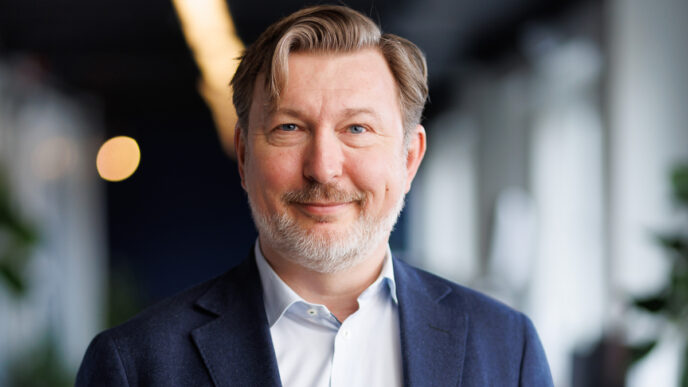
– The figures for March may give the impression of a temporary pause, but the attackers have not retreated but rather changed strategy, says Oskar Rödin, security expert at Check Point Software. As generative AI becomes an increasingly common work tool and ransomware groups keep up a high pace, organizations need to anticipate a constant and rapidly changing threat landscape. The most resilient are those that work systematically preventively and use AI-based protection to stop threats at an early stage.
Against this background, it is emphasized Checkpoint The importance of more proactive security work. Organizations should work in a structured way with preventive protection, ensure coherent security across networks, clouds and users, and establish clear guidelines for the use of AI tools in the business.















 Swedish
 Danish
 Norwegian
 Finnish
 English
 German
 Dutch
Dutch