




Looking for a Shorter Overview?
AI Summary
Key Moments
Lower understanding and use among women
Women in Sweden have a lower understanding of and use AI to a lesser extent than men.Differences in uses
Women use AI more for creative purposes, while men use it more in work and information management.Beliefs in the future and concerns about AI
Women are more skeptical about the positive effects of AI and both genders are concerned about disinformation and manipulation.The importance of inclusion in AI development
Increased inclusion and broader competence are seen as crucial for Sweden to succeed with AI.A new global survey shows clear differences between how women and men in Sweden understand, use and experience AI. Women are generally less positive about AI, use the technology to a lesser extent and are less comfortable with AI. “In order for Sweden not to fall behind in AI development, we must work for more inclusion and understanding. AI is about creating value and different perspectives are needed,” says Charlotta Kvarnström on EY.
Lower understanding and use among women
Swedes differ between the sexes in their attitudes towards AI. Women report lower understanding, enthusiasm and use of AI. According to the survey from the consulting and auditing firm EY Women in Sweden have a lower level of understanding of AI than men – 16 percent compared to 23 percent among men. The experience of how AI affects everyday life shows that 35 percent of women respond that AI has a positive impact on their daily lives, compared to 41 percent of men. The survey is based on responses from over 15,000 people in 15 countries, including 1,002 people in Sweden.

Beliefs and concerns about the future linked to AI
When it comes to confidence in the future and enthusiasm for AI, women are also more hesitant. Fewer women than men believe that the positive effects of AI outweigh the negative ones, and they feel to a lesser extent that AI simplifies their lives. However, concerns are widespread among both women and men – mainly related to AI’s role in spread of disinformation and the risk of manipulation.




The importance of inclusion in AI development
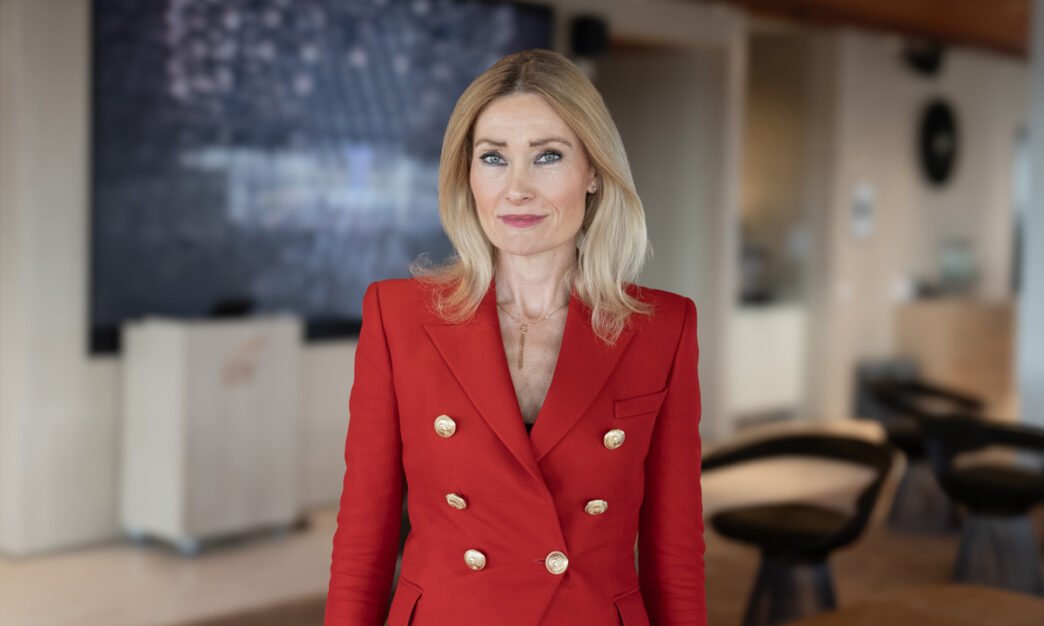
– We see a difference in the experience and use of AI, and it is something we need to take seriously regardless of which group in society it concerns. In order for Sweden not to fall behind in AI development must we work for more inclusion and understanding. AI is about creating value and that requires different perspectives, says Charlotte Kvarnstrom, partner and advisor in the technology, media and telecommunications industries at EY.
Different uses between the sexes
The differences are also noticeable in how the technology is used. Women generally report lower use of AI in work and information management, such as summarizing documents, getting financial advice or writing texts. However, more women report using AI as creative support in, for example, art, poetry and other leisure activities. An example of such an AI tool is DALL·E for image creation and ChatGPT for text generation.
AI requires more than technical expertise
For technology solutions to create value, understanding is essential. The perspective on AI competence needs to be broadened.
– To succeed with AI, more than knowledge of the technology is required – it requires understanding of the business, the users and the society in which the technology operates. As part of the work to increase understanding and inclusion in the tech area, EY is involved in the Nordic region's largest technology conference for women, Women in TechThe focus of our participation at this year's conference is to broaden the view of what skills are needed to create success with AI and clarify how it is possible to create value, but also measure the value and return of generative AI, says Charlotte Kvarnstrom.


















 Swedish
 Danish
 Norwegian
 Finnish
 English
 German
 Dutch
Dutch