



Looking for a Shorter Overview?
AI Summary
Key Moments
Bankkonsortiets samarbete
Nio av Europas största banker har gått samman för att skapa en reglerad stablecoin under tillsyn av Nederländernas centralbank.Ledning och styrning
Ett erfaret ledningsteam med Jan Oliver Sell som CEO och Sir Howard Davies som tillsynsstyrelseordförande har utsetts.Stablecoinens funktioner
Den euro denominerade stablecoinen ska möjliggöra effektiva gränsöverskridande betalningar och stödja tokeniserade digitala tillgångar.Lanseringsplan och regulatoriskt fokus
Lansering är planerad till andra halvan av 2026 efter regulatoriskt godkännande och teknisk förberedelse.Qivali's euro stablecoin is now being prepared for launch in the second half of 2026. Qivalis, the Amsterdam-based company, is working to get MiCAR approval and authorization from the Central Bank of the Netherlands as an Electronic Money Institution.
Europe's largest banks are building a common stablecoin infrastructure
The initiative has gained widespread support in Europe. On September 25, 2025, nine of Europe's largest banks announced that they were joining forces to create a regulated stablecoin issuer under the supervision of the Dutch Central Bank. These banks are Banca Sella, CaixaBank, Danske Bank, DekaBank, ING, KBC, Raiffeisen Bank International, SEB and UniCredit. The first of December joined BNP Paribas to the consortium, which further strengthened the investment.
Official establishment and governance structure presented
With the formal establishment complete, the name Qivalis and the company's management and governance structure are now being announced. This is an important milestone that demonstrates that Europe's largest financial institutions are taking concrete steps to build a secure and regulated digital ecosystem based on clear rules and shared credibility.




Experienced management team appointed to lead Qivalis
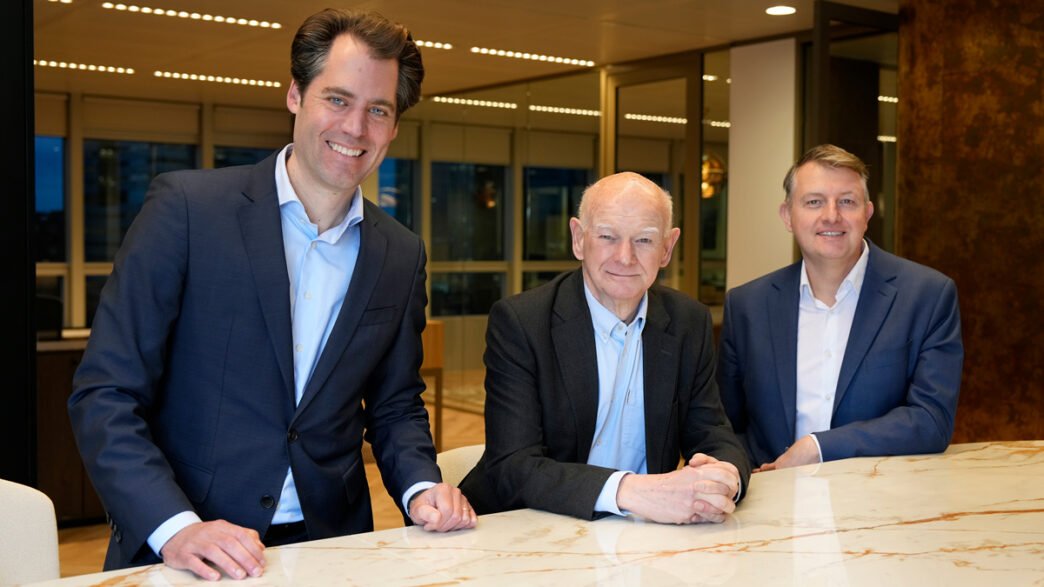
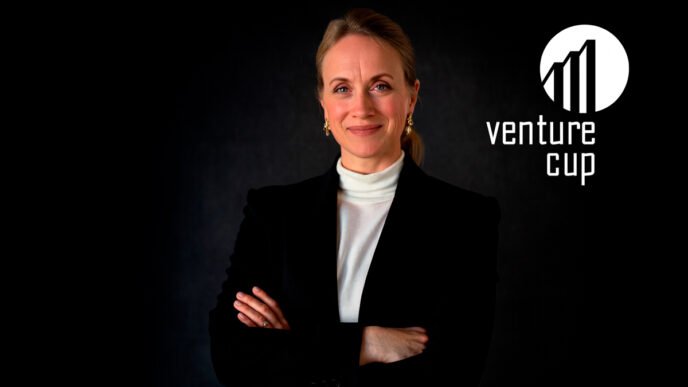
An experienced management team has been appointed to lead Qivalis from regulatory approval to commercial launch. Jan Oliver Sell appointed Chief Executive Officer. He has extensive experience in digital assets, fintech and traditional finance. During his time as Managing Director at Coinbase Germany, he secured the first ever crypto custody license issued by the German financial regulator BaFin. He has also held senior roles at Binance and iFunded, as well as eighteen years in senior roles in asset management in London.
Floris Lugt becomes CFO and Sir Howard Davies heads the Supervisory Board
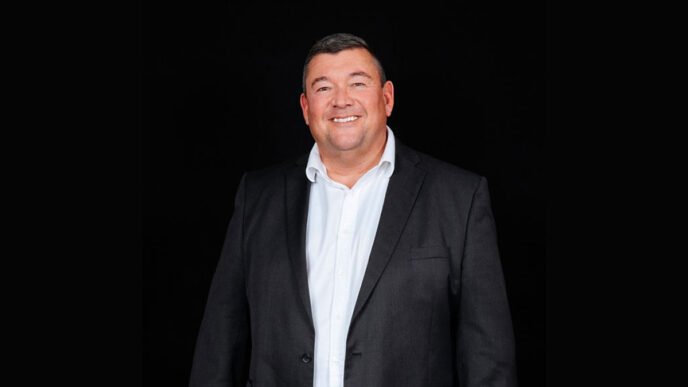
At the executive management level, Floris Smell as Chief Financial Officer. He previously led Digital Assets Wholesale Banking at ING and has a background in treasury and financial services. risk management in both ING and ING France.
Sir Howard Davies appointed as Chairman of Qivali's Supervisory Board. He is a well-known British banking executive and regulator with a long career that includes roles as the first chairman of the Financial Services Authority, director of the London School of Economics and chairman of RBS. He has also been deputy governor of the Bank of England and director general of the CBI. He was knighted in 1999 for his services to financial regulation.
All appointments are subject to regulatory approval.
Qivalis sees euro stablecoin as a historic milestone
According to CEO Jan Oliver Sell calls the launch of a euro-denominated stablecoin backed by a European banking consortium a major turning point for digital commerce and financial innovation in Europe. He argues that a native euro stablecoin is not just about convenience, but about European monetary sovereignty in a digital age. It enables businesses, fintechs, SMEs and consumers to use digital payments and digital assets in a stable and reliable currency.
Launch planned for the second half of 2026
With the governance structure in place, the Qivalis is now moving towards regulatory approval and preparing commercial activities for launch in the second half of 2026. The goal is to introduce a secure and fully regulated digital payment instrument based on blockchain technology and supporting the next generation of financial services.
Focus on cross-border payments and digital assets
The euro-denominated stablecoin will enable access to efficient cross-border payments 24/7, support programmable payments, improved supply chain management, and faster settlement of digital assets. It will also be used for tokenized assets and cryptocurrencies, providing near-instantaneous and cost-effective payments and settlements.
European digital infrastructure with a focus on stability and regulation
Sir Howard Davies stresses the strategic importance of the project and states that Europe needs this type of infrastructure to remain competitive in the global digital economy while maintaining economic independence. He argues that Qivalis not only builds modern payment rails but also ensures that European values such as data protection, financial stability and clear regulation are integrated into the digital money of the future.
Consortium open to more banks
The consortium behind Qivalis is open for more banks to join. The shared ambition is to drive innovation in payments, settlement processes and the entire ecosystem for tokenized and digital assets with clarity, security and responsibility at its core.
Continued preparations for the launch
Qivalis has set a target of launch in the second half of 2026. The coming months will focus on continued regulatory dialogue as well as operational and technical preparation for commercial deployment.


















 Swedish
 Danish
 Norwegian
 Finnish
 English
 German
 Dutch
Dutch