



Looking for a Shorter Overview?
AI Summary
Key Moments
Cloud migration progress
Cloud migration is moving fastest in Norway, while Sweden and Denmark lag behind with just over 40 percent implementation.Impact of operational disruptions
Almost 20 percent of Swedish IT managers report recurring problems with central IT systems, which is significantly higher than in Norway and Denmark.Complexities from legacy systems
Many organizations manage a mix of outdated systems, on-premises servers, and cloud services from multiple vendors, which increases complexity.Business-critical IT issues
IT infrastructure and security must be prioritized at the management level and viewed as business critical to meet increased demands.Cloud strategies that drag on, legacy systems that create complexity and recurring operational disruptions. When GlobalConnect mapping how Nordic IT managers view their digital infrastructure, the picture is clear: many are facing a difficult balance between innovation and stability – while resources are limited.
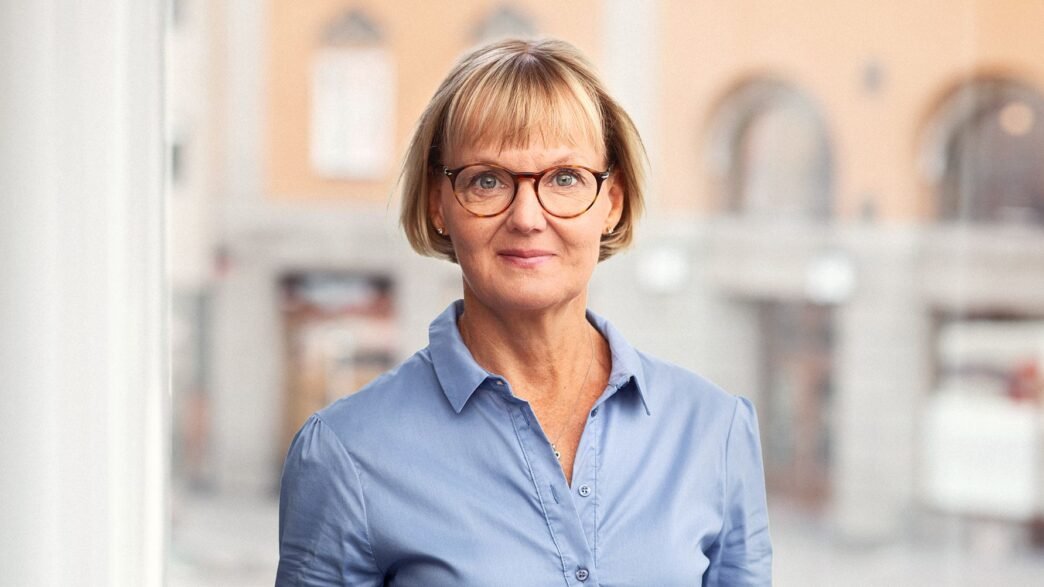
“This survey provides unique insight into the challenges and opportunities facing IT leaders today,” says Anna Granö, Executive Vice President, B2B at GlobalConnect“It is clear that many are struggling to put together a functioning IT environment while the demands for security, capacity and flexibility increase. We see a complex reality where old systems must be integrated with new solutions and where cloud strategies do not always go according to plan.”
Most organizations combine different methods of data storage
The report, which is based on interviews with 225 IT and security managers in Sweden, Norway and Denmark, shows, among other things, that cloud migration is slower in Denmark and Sweden. While 76% of Norwegian IT managers state that they have carried out an extensive cloud migration, the figure in Sweden and Denmark is just over 40%.




According to the survey, the most common strategy is a combination of different storage methods, such as data center, cloud storage and internal servers. The highest proportion of organizations that primarily rely on cloud storage is found in Norway (33 %), while the lowest is found in Denmark (9 %).
Operational disruptions and unsafe systems – Sweden stands out
The stability of IT infrastructure is a constant challenge, and Sweden stands out negatively here. Almost 20% of Swedish IT managers report recurring problems with central IT systems, compared to only 3–4% in Norway and Denmark.

The survey also shows that many organizations struggle with old systems that create unnecessary complexity. 9 out of 10 IT managers believe it is important to continuously upgrade their IT environment, but many are still forced to manage a mix of outdated systems, on-premises servers and various cloud services – often from several different suppliers.
“Frequent outages directly impact an organization’s productivity as well as the trust of customers and other stakeholders. Modern IT infrastructures can be very complex, with hybrid solutions involving multiple vendors. This makes it especially important to have processes in place to prevent systems from becoming vulnerable,” says Emma Helton Security Product Manager at GlobalConnect.
A question for the entire organization – not just the IT department
The report shows that we are in a period of change where demands on IT infrastructure are increasing rapidly, both in terms of capacity and security. At the same time, resources are not always keeping up, creating an imbalance between the needs of the IT environment and the resources available to manage it.
“This is not a challenge that falls solely to the IT department to solve,” says Anna Granö. “IT infrastructure and security are today business-critical issues that must be anchored at the management level. Prioritizing correctly, modernizing structures while ensuring stability and security is a challenge that requires both strategic thinking and practical action.”
Read the full report here: GlobalConnect IT Insights: Digital Infrastructure – Opportunities, Obstacles and Drivers from the CIO's Perspective


















 Swedish
 Danish
 Norwegian
 Finnish
 English
 German
 Dutch
Dutch