


Looking for a Shorter Overview?
AI Summary
Key Moments
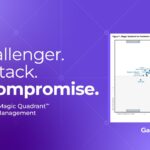
ManageEngine named a Challenger in Gartner Magic Quadrant 2026
ManageEngine has been recognized for its vision and execution capabilities in endpoint management.High ratings in Gartner Critical Capabilities for multiple use cases
ManageEngine performs strongly in automation, scalability, and security-centric management.Focus on automation and consolidation of tools
The Endpoint Central platform helps IT teams reduce fragmentation and work proactively.Customer appreciation and recognition from IDC and Gartner Peer Insights
ManageEngine is a leading and respected provider in several industry analyses and customer reviews.Inuit, a leading distributor of IT solutions for IT security and IT management, draws attention to the fact that ManageEngine has been appointed Challenger in the Gartner Magic Quadrant 2026 for Endpoint Management Tools. The award is based on Gartner's assessment of vendors' execution capabilities and vision in endpoint management and includes 18 global players.
In the report ManageEngine scores highly in all four Gartner Critical Capabilities use cases, including autonomous endpoint management, unified endpoint management, and security-centric management. The results are particularly strong in automation and scalability, areas that have become increasingly business-critical as demands for security, efficiency, and compliance increase. Gartner Critical Capabilities complements the Magic Quadrant and focuses on how well the solutions support concrete use cases, rather than the vendors' overall vision and execution capabilities
“This is a clear testament to the technical maturity we see at ManageEngine in the endpoint space. For many organizations, endpoint management today is not just about operations, but about reducing risk, simplifying compliance, and creating better control in complex environments,” says Erik Tjarnkvist, Product Manager at Inuit.



ManageEngine has also been named “Leader in IDC MarketScape: Worldwide Unified Endpoint Management Software 2025-2026“, marking the third time the company has received this recognition.
Another differentiating factor is that ManageEngine was named the only vendor to qualify as Customers' Choice in 2025 Gartner Peer Insights™ Voice of the Customer for endpoint management tools, based on customer reviews of Endpoint Central.
Focus on automation and consolidation
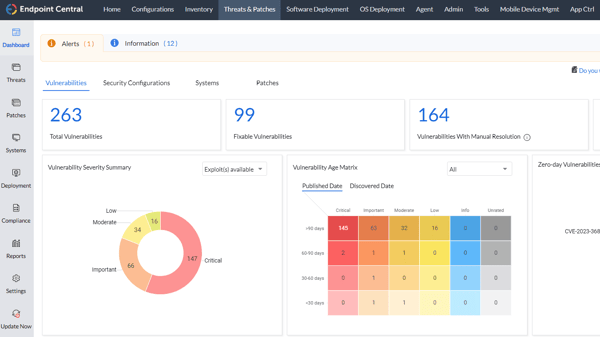
Over the past year, ManageEngine's endpoint platform (Endpoint Central) developed with an increased focus on automation, security, and integrated management of both traditional and modern devices. By bringing together patching, configuration management, security capabilities, and user experience (DEX) insights into a common platform, IT teams can reduce tool fragmentation and work more proactively.
“We are seeing a shift among our customers where more people want to consolidate tools while simultaneously increasing security. Recognition like this makes it easier for IT decision-makers to feel confident in their choices,” he continues. Erik Tjarnkvist.


















 Swedish
 Danish
 Norwegian
 Finnish
 English
 German
 Dutch
Dutch