




Looking for a Shorter Overview?
AI Summary
Key Moments
Admin By Request for SMBs
Simple and cost-effective solution that helps small and medium-sized businesses implement the principle of least privilege.Advanced features at Heimdal Security
Offers comprehensive PAM features including session monitoring, JIT permissions, and policy support.Microsoft Entra ID for Microsoft environments
Integrates seamlessly with Microsoft 365 and Azure, with advanced policies and support for Zero Trust.The importance of secure privilege management
Effective management of privileged accounts is crucial to reducing risks from advanced cyber threats.Privileged Access Management (PAM) has become a central part of modern cybersecurity strategies. By controlling and monitoring privileged accounts, organizations can reduce the risk of unauthorized access, data breaches, and internal security threats.
Admin By Request is a popular solution for managing local admin rights and is used by many organizations looking to implement the principle of least privilege. At the same time, there are several alternative solutions that offer broader functionality in identity and access management, just-in-time permissions, secure remote access, and compliance.
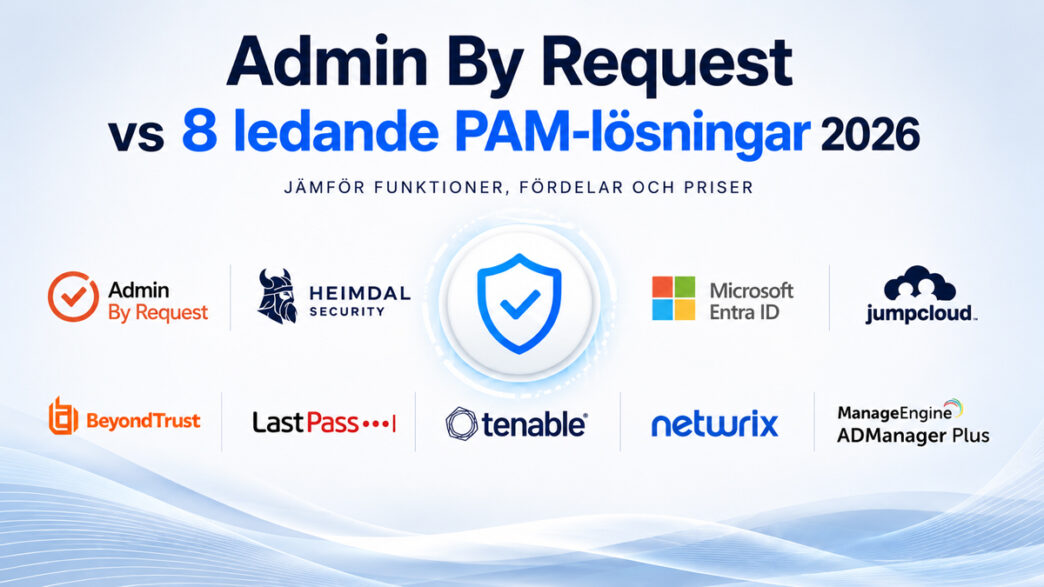
Here's a review of Admin By Request and eight leading alternatives on the market. 





Quick Comparison: Admin By Request and Leading Alternatives
| Solution | Just in Time (JIT) | PAM features | Secure remote access | Best suited for |
|---|---|---|---|---|
| Admin By Request | Yes | Yes | Limited | SMBs and medium-sized enterprises |
| Heimdal Security | Yes | Yes | Yes | SMB and Enterprise |
| Microsoft Entra ID | Yes | Yes | Limited | Microsoft environments |
| JumpCloud | Yes | Partly | No | Hybrid and cloud environments |
| BeyondTrust | Yes | Yes | Yes | Enterprise |
| LastPass | No | Limited | No | Smaller companies |
| Tenable | Partly | Limited | No | Security and risk management |
| Network | Partly | Yes | Yes | Compliance and auditing |
| ManageEngine ADManager Plus | Limited | Partly | No | Active Directory environments |
Admin By Request
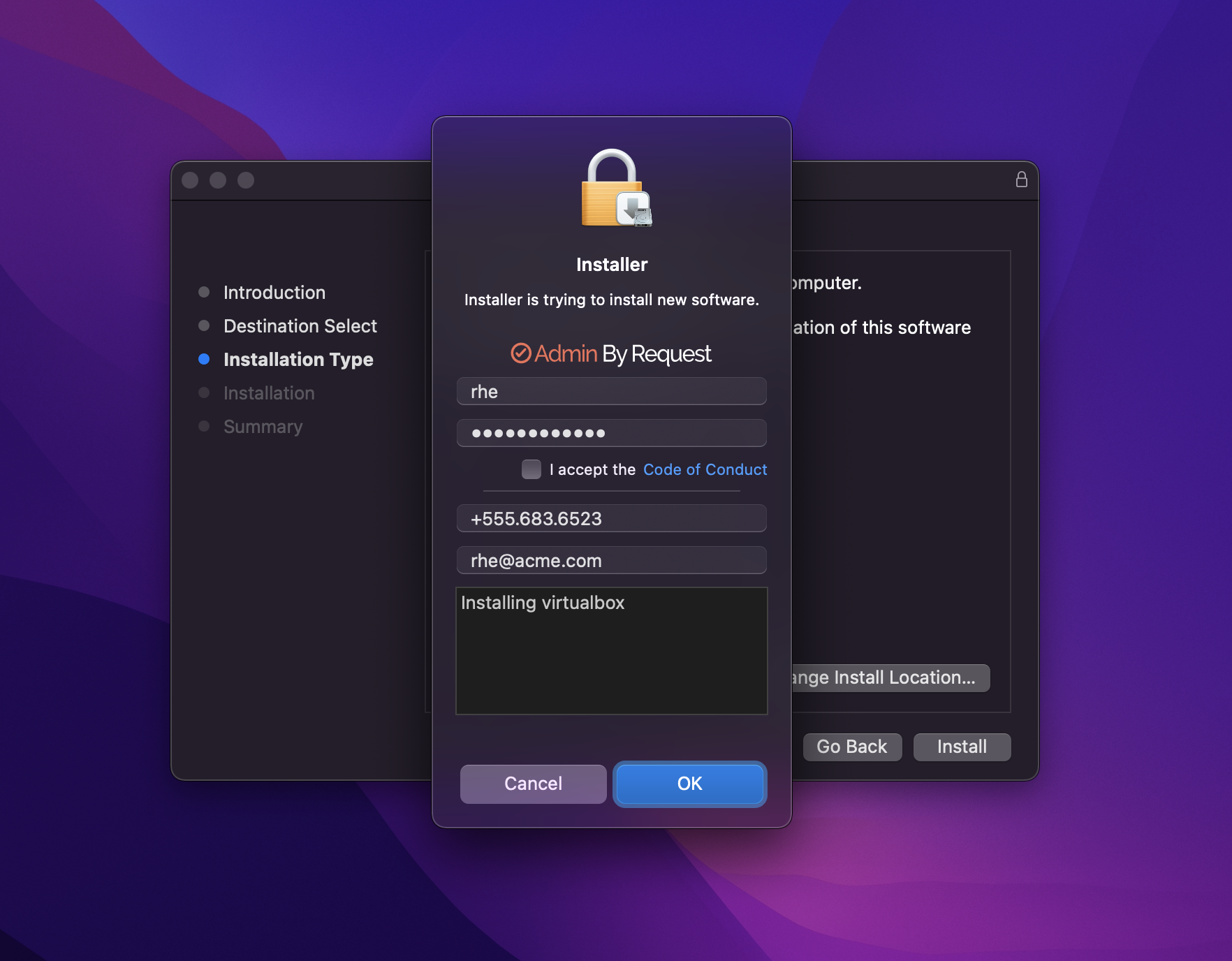
Admin By Request is a PAM solution that focuses on eliminating local admin rights and granting users temporary access when needed. The platform is used by many organizations that want to implement the principle of least privilege without creating unnecessary administration for the IT department.
The solution is particularly popular among small and medium-sized businesses thanks to its relatively easy implementation and user-friendly administration.
Benefits
- Easy to implement and administer
- Support for Just-in-Time permissions
- Helps organizations eliminate local administrator accounts
- Cloud-based management
- Good balance between functionality and cost
Disadvantages
- Not as comprehensive as some full-scale PAM platforms
- Limited advanced session monitoring features
- Fewer identity management features compared to larger PAM solutions
- Organizations with complex security requirements may need complementary tools
Suitable for
Small and medium-sized businesses that want to implement the principle of least privilege and strengthen control over administrator rights without investing in a larger PAM platform.
1. Heimdal Security
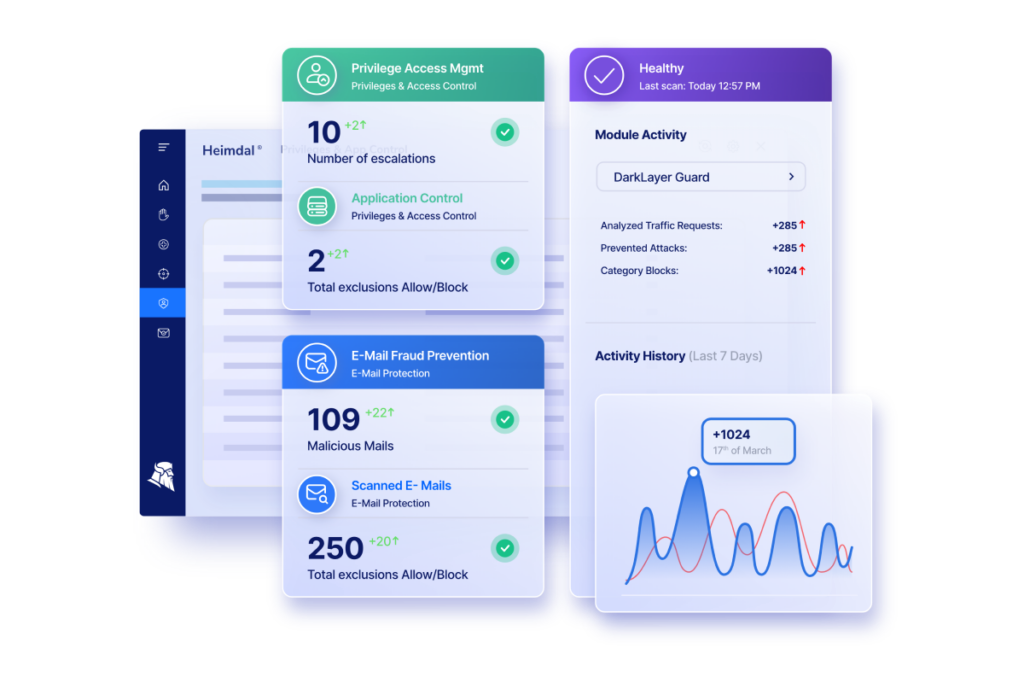
Heimdal Security offers a comprehensive PAM platform that combines administrator rights management, just-in-time permissions, and privileged session monitoring.
The solution enables IT teams to approve or deny authorization requests in real-time while allowing users to access elevated privileges only for the time required to perform a specific task.
Benefits
- Just-in-Time permissions
- Centralized management of administrator rights
- Session monitoring and reporting
- Integration with other security solutions
- Support for GDPR, NIS2 and other regulations
Disadvantages
- May be more comprehensive than smaller organizations need
- Custom pricing can make cost comparisons more difficult
Suitable for
Organizations that want to combine PAM functionality with broader endpoint and identity security.
2. Microsoft Entra ID
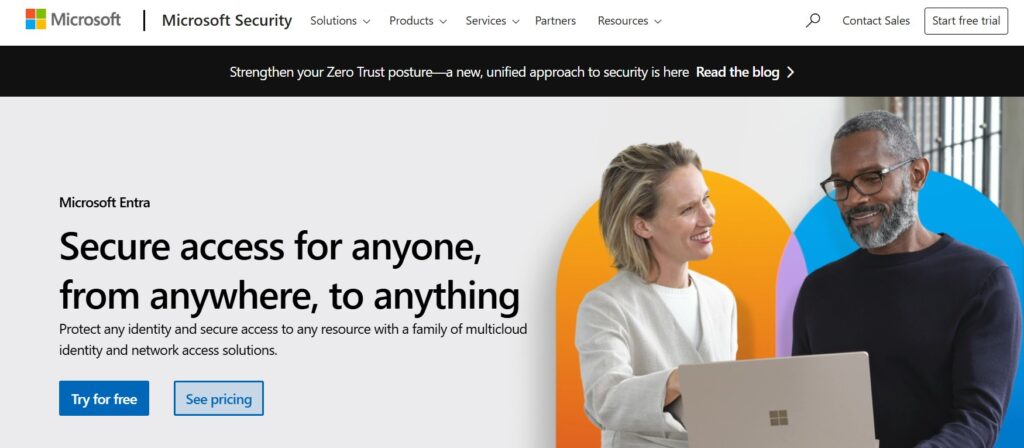
Microsoft Entra ID, formerly Azure Active Directory, is Microsoft's identity and access management platform.
Benefits
- Seamless integration with Microsoft 365 and Azure
- Just-in-Time permissions via PIM
- Support for Zero Trust strategies
- Advanced Conditional Access Policies
Disadvantages
- Can be complex to implement
- Advanced features require higher license levels
Suitable for
Organizations already using the Microsoft ecosystem.
3. JumpCloud
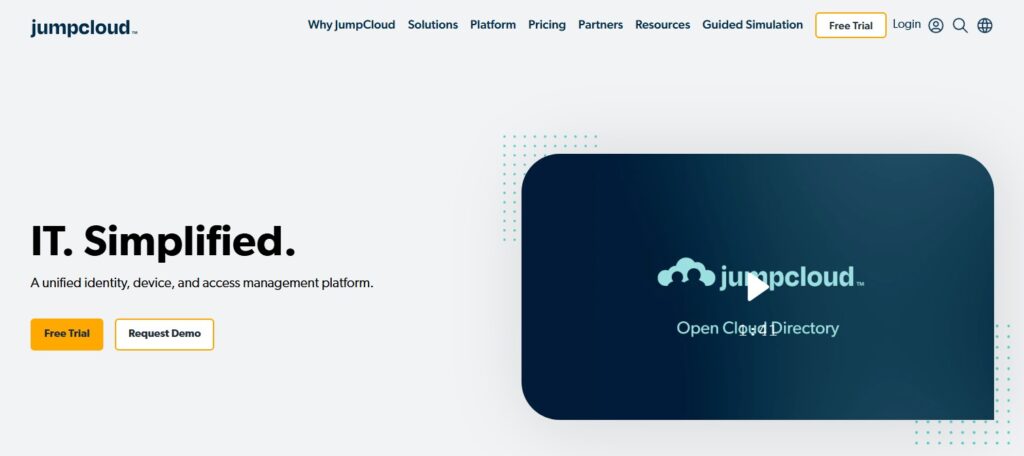
JumpCloud is a cloud-based directory platform that combines identity, access, and device management.
Benefits
- Platform-independent
- Support for Windows, macOS and Linux
- SSO and MFA
- Easy administration
Disadvantages
- Limited local support
- Premium features require higher subscription levels
Suitable for
Organizations with hybrid and cloud-based IT environments.
4. BeyondTrust
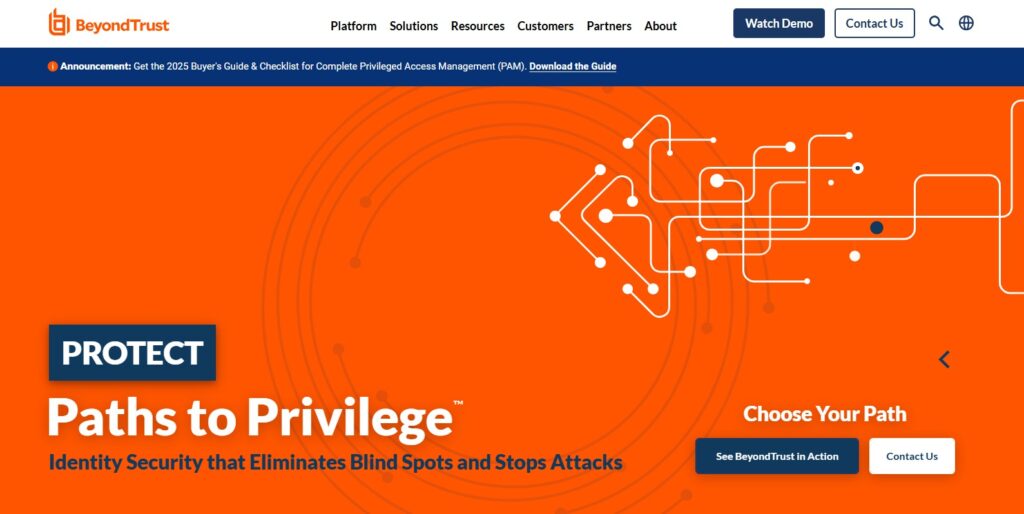
BeyondTrust is one of the most established PAM platforms on the market and is used by many major organizations worldwide.
Benefits
- Advanced session monitoring
- Secure remote access
- Comprehensive reporting
- Zero Trust support
Disadvantages
- Higher cost level
- May require longer implementation time
Suitable for
Larger organizations and businesses with advanced security requirements.
5. LastPass
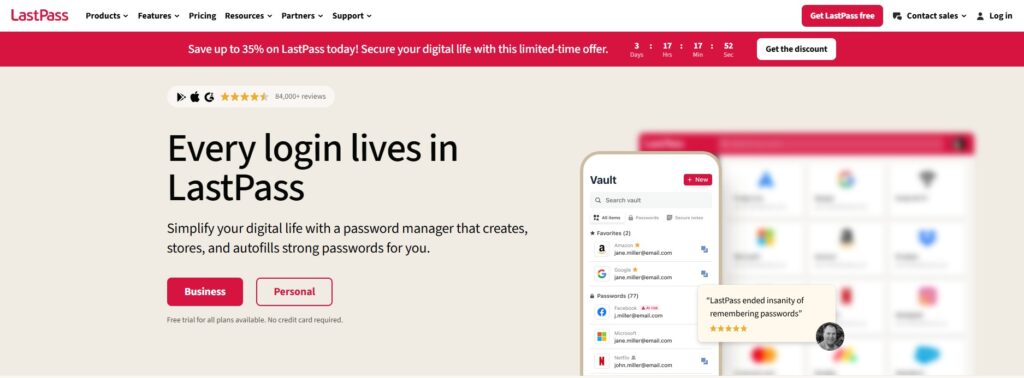
LastPass is primarily known as a password manager but also offers some privileged access features.
Benefits
- Easy password management
- Multi-factor authentication
- Secure sharing of credentials
Disadvantages
- Limited PAM functionality
- Previous security incidents have affected trust
Suitable for
Smaller businesses primarily looking for secure credential management.
6. Tenable
Tenable focuses primarily on vulnerability management and identity-related security risks.

Benefits
- Identifies risks associated with privileged accounts
- Detects misconfigurations
- Integrates with other security tools
Disadvantages
- Not a traditional PAM solution
- Fewer privilege management features
Suitable for
Organizations with a focus on risk management and security analysis.
7. Netwrix
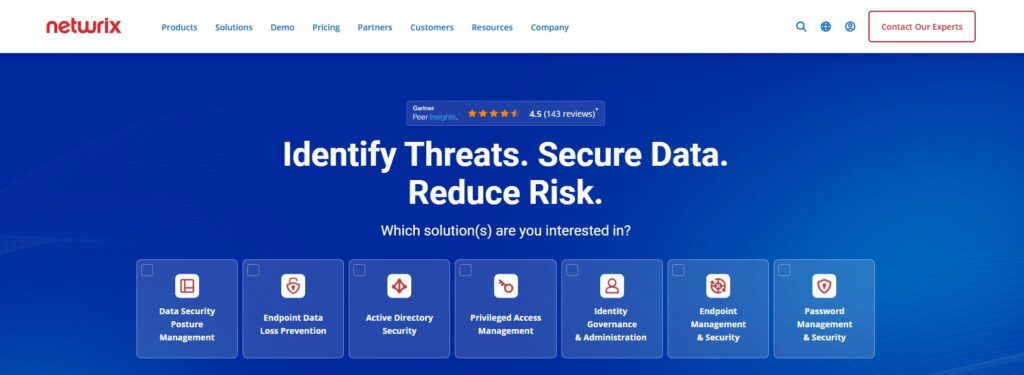
Network offers comprehensive monitoring of user activity, privileges, and sensitive information.
Benefits
- Real-time monitoring
- Detailed audit logs
- Compliance reporting
- Minimum authorization support
Disadvantages
- Fewer third-party integrations than some competitors
Suitable for
Organizations with high audit and compliance requirements.
8. ManageEngine ADManager Plus
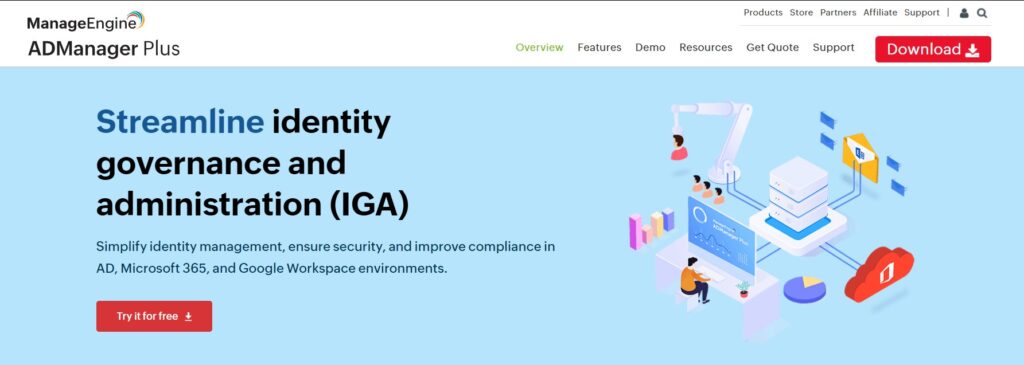
ManageEngine ADManager Plus helps organizations manage Active Directory, user administration, and delegation of permissions.
Benefits
- Automated user management
- Comprehensive reporting
- Effective delegation of administrative tasks
Disadvantages
- Upgrades may require manual intervention
- Limited PAM functionality compared to specialized platforms
Suitable for
Organizations that work intensively with Active Directory.
Editor's recommendation
Which solution is best suited depends on the organization's size, security requirements, and existing IT environment.
For companies looking for a simple and cost-effective path to the principle of least privilege, Admin By Request still a strong option.
Organizations that want to combine privilege management with endpoint and identity security may benefit from evaluating Heimdal Security.
For Microsoft-oriented businesses, Microsoft Entra ID is a natural choice, while BeyondTrust targets larger organizations with advanced privilege management and Zero Trust requirements.
JumpCloud offers flexibility for hybrid environments, while Netwrix and Tenable are suitable for businesses where compliance, audit and risk management are in focus.
Conclusion
There is no one-size-fits-all PAM solution. The choice should be based on the size of the business, security requirements, regulatory requirements, and technical environment.
Admin By Request remains a popular choice for companies looking to easily restrict local admin privileges, while several competitors offer broader functionality in identity management, session monitoring, compliance, and secure remote access.
As cyber threats become more advanced, effective management of privileged accounts is becoming an increasingly important part of organizations' security strategies.
Frequently asked questions
Why should local administrator rights be restricted?
By restricting local administrator rights, the risk of malware being installed or user accounts being misused is reduced.
What does the principle of least privilege mean?
The principle of least privilege means that users are only granted the rights necessary to perform their tasks.
What are Just-in-Time permissions?
Just-in-Time permissions mean that administrator rights are only granted for a limited period of time when they are actually needed and are automatically revoked when the task is completed.




















 Swedish
  Danish
  Norwegian
  Finnish
  English
  German
  Dutch
Dutch