


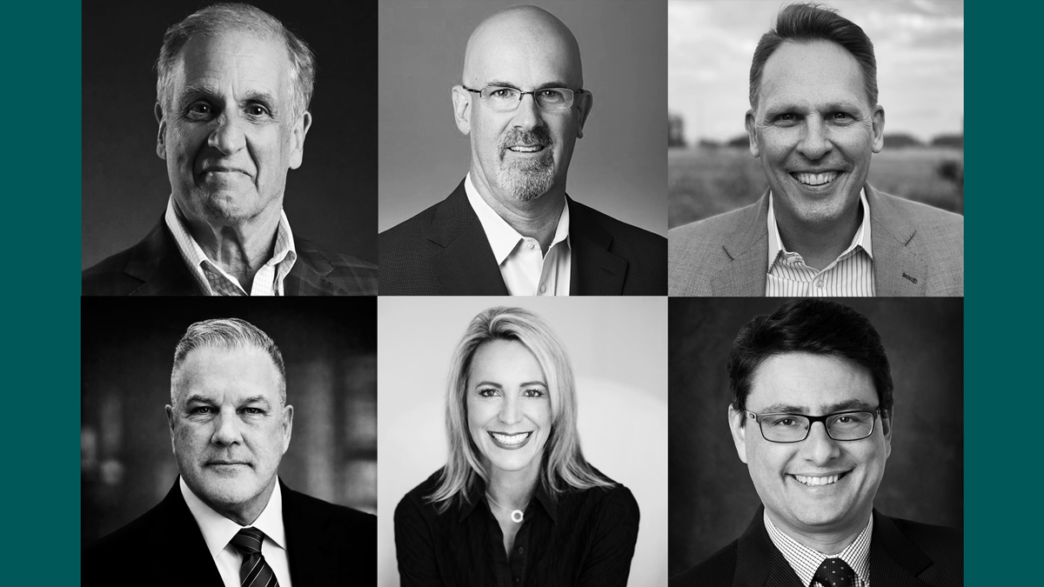
The future of IT distribution is rapidly being shaped by AI, digital platforms, and new business models. Executives from TD SYNNEX, Ingram Micro, Arrow Electronics and D&H Distributing shares their perspectives on development.
IT distribution is currently undergoing one of its biggest transformations in decades. From being a logistical middleman, distributors are rapidly evolving into strategic platforms that connect suppliers, partners and end customers in an increasingly complex ecosystem.
This analysis is based on insights from industry leaders who participated in GTDC Summit in the United States, reported by CRN, combined with the IT industry's own interpretation of developments in the Nordics and Europe.

According to Frank Vitagliano, CEO of the Global Technology Distribution Council, the role of distribution is not disappearing but rather on a strong rise.

He emphasizes that the complexity of today's IT market means that someone must orchestrate the relationships between suppliers and partners.
“The requirements for reaching the market are more complex than ever. Distributors have the relationships and capacity to handle this at scale.”
AI and innovation are changing the playing field
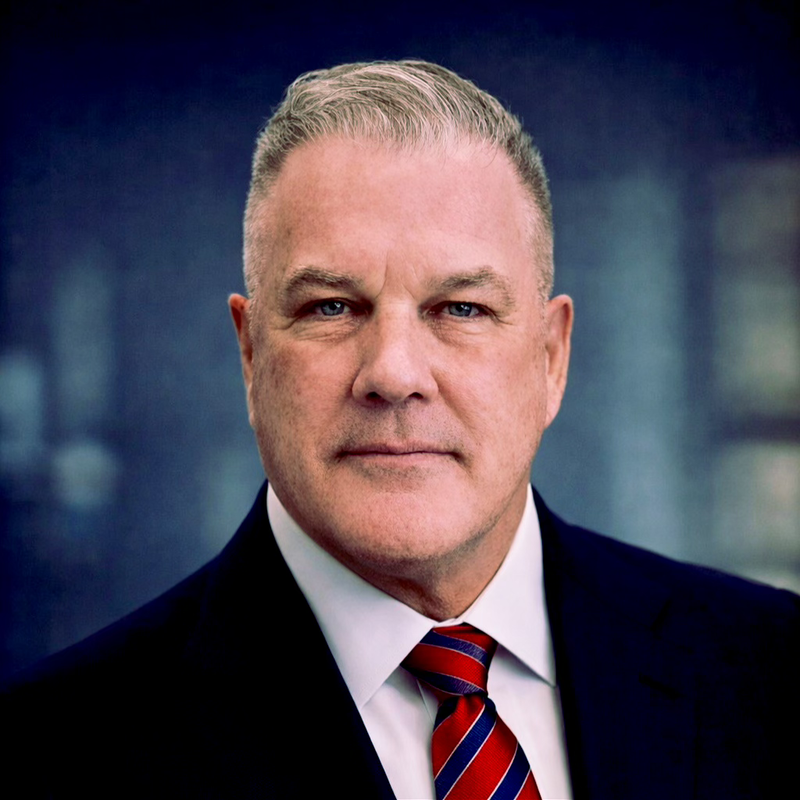
Daniel Campbell, formerly at Arrow Electronics and now President North America at Palo Alto Networks, highlights how quickly the market is moving and how investments are now concentrated in areas such as AI, cybersecurity, data and cloud technology.
For distributors, this means a balancing act. They must both continue to support the traditional business while helping new, innovative companies reach the market.
Factors such as financing, credit and go to market strategy are thus becoming increasingly important parts of the distribution role.
Services and platforms are taking over

Kristin Russell, formerly at Arrow Electronics and currently CEO of CBTS, highlights three central building blocks for the future of distribution: people, products and platforms.
But it is the services layer that is growing the fastest. Distributors are now expected to deliver far more than products, including marketing as a service, lead generation, integration, support and lifecycle management.
At the same time, technological complexity is driving new types of digital platforms. The distribution environments of the future are described as digital workspaces where partners can identify, buy and manage solutions in a cohesive flow.
Data insights become crucial

Patrick Zammit from TD SYNNEX highlights another important aspect. Distributors have a unique overview of the market.
With visibility across the entire ecosystem, they can identify emerging technologies and help partners make more strategic decisions.
This advisory role has become increasingly important as partners need to diversify their businesses and navigate the transition to new revenue models.
Partnership and business results in focus

Kirk Robinson from Ingram Micro describes how partners are fundamentally changing. They are moving from being technical suppliers to becoming business-critical advisors.
The focus is shifting from technology delivery to creating tangible business results for end customers.
At the same time, the value of partners across the ecosystem is increasing, driven by the shift to recurring revenue and growing interest from investors.
AI is driving the next wave of consolidation

Marty Bauerlein from D&H Distributing points out how AI can change the cost structure within the MSP market.
By automating support functions, companies can significantly reduce their operational costs while increasing profitability.
This, in turn, opens up a new wave of consolidation, where strong players can grow through acquisitions.
What does this mean for Swedish companies?
For Swedish IT companies and enterprise organizations, this development means that the distribution chain is becoming an increasingly important strategic partner. It is no longer just about purchasing technology, but about access to expertise, packaged solutions and faster time to market in areas such as AI and cybersecurity.
What does this mean for MSPs in the Nordics?
For MSPs in the Nordics, this means a shift towards more service-based business models. Distributors will play a central role in enabling new revenue streams, especially in recurring services, AI-driven automation and multi-cloud solutions.
At the same time, the demand for differentiation is increasing. MSPs that successfully use distributors' platforms and data to create business value will have a clear advantage.
Risks and opportunities
The increased role of distributors creates both opportunities and dependencies. On the one hand, partners can scale faster than before. On the other hand, increased consolidation and platform dependency can fundamentally change the competitive landscape.
AI is accelerating this development further and can redefine both cost structures and business models in a short time.
The conclusion is clear: IT distribution is no longer a passive intermediary but an active driving force in the global IT ecosystem.
With AI, data, platforms and services at the center, distributors are redefining their role and positioning themselves as one of the most important players in the digital economy of the future.
Source: CRN







 Swedish
 Danish
 Norwegian
 Finnish
 English
 German
 Dutch
Dutch