


Schneider Electric warns that Europe's continued reliance on fossil fuels leaves the region vulnerable to rising prices and geopolitical disruptions. The company is calling for targeted economic incentives to help companies quickly reduce their energy use and reform of an outdated energy tax system that still favors fossil fuels over clean electricity and energy efficiency.
Schneider Electric calls on the EU to accelerate energy efficiency and electrification in Europe as the only scalable and resilient response to the ongoing volatility in energy prices.
With global energy prices expected to rise by 24 percent this year – the largest increase since 2022 – Europe is particularly vulnerable, with energy costs typically two to four times higher than in other major regions. Against this background, Schneider Electric urges policymakers to stop seeing energy efficiency and electrification as climate policy “add-ons” and instead recognize them as Europe’s only scalable, self-produced energy resources. Accelerating these has the potential to unlock at least 250 billion euros per year by 2040, reduce energy demand and dependence on fossil fuels, and strengthen competitiveness.

Europe is structurally vulnerable: the EU is still dependent on imports for almost 60 percent of its energy at a cost of 336.7 billion euros by 2025. This makes households, industry and public services vulnerable to volatile global fossil fuel markets and geopolitical events. Schneider Electric believes that efficiency improvements and electrification at the end user can be implemented at short notice and with a quick payback period, which can provide rapid impact while accelerating the transition to a stronger and more independent energy system.
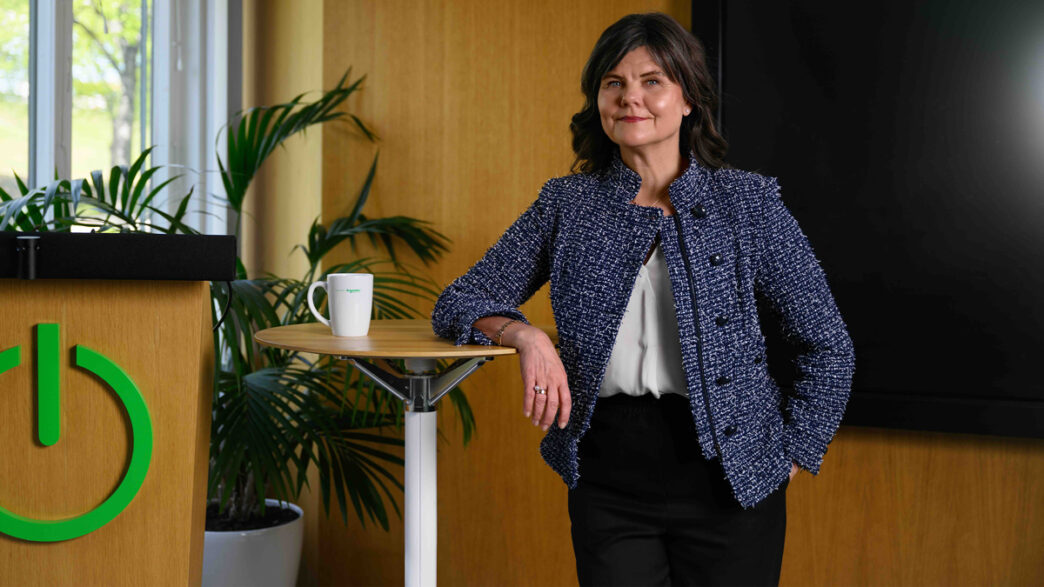
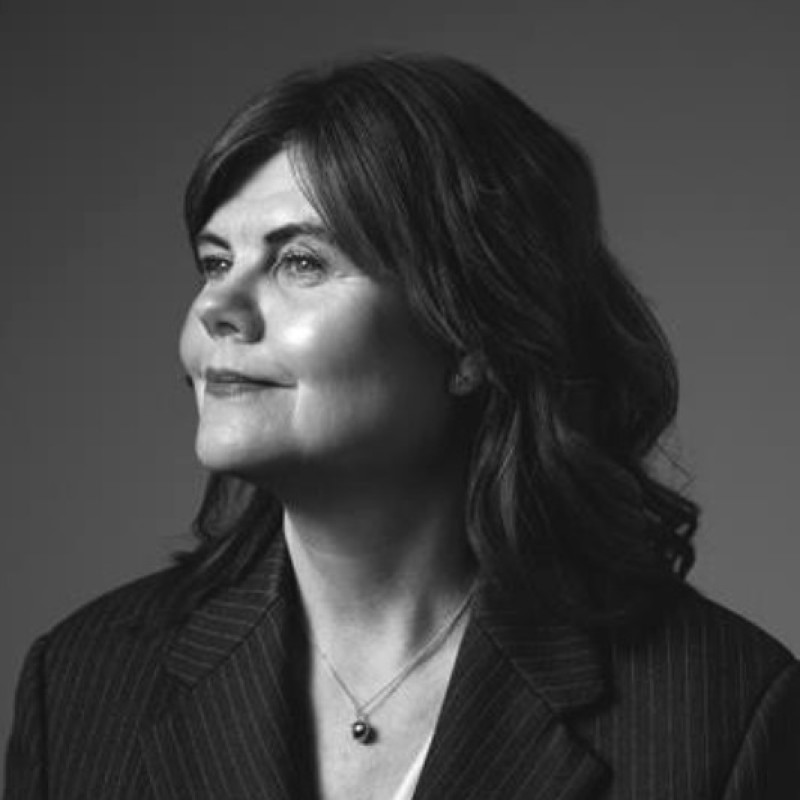
– Sweden has come a long way with an almost completely fossil-free energy system, but we are still strongly influenced by developments in Europe. Therefore, the EU needs to move from short-term crisis measures to investments that truly reduce dependence on fossil fuels. Energy efficiency and electrification are two of the fastest ways to strengthen both the competitiveness and resilience of Europe's energy system, says Anna Anderson, CEO at Schneider Electric Sweden.
Schneider Electric calls on the European Commission and Member States to prioritize five policy actions:
1) Apply energy-efficient solutions with a short payback period
Support and incentives that help companies scale up proven energy efficiency solutions with quick returns that reduce demand within months.
- Buildings: Interest-free loans to expand connected control systems and improve energy management in buildings to optimise heating, cooling, ventilation and lighting in real time. This will lower bills now and prepare buildings for electrified heating and demand response, which could reduce the EU's overall energy use by up to 6 percent.
- Industry: Targeted support, especially for SMEs, to scale up energy management systems and low- or zero-cost measures that can lead to savings of up to 30 percent over time and create the foundation for digitalized production.
2) Implement existing EU legislation on efficiency and buildings – quickly
Full implementation of the Energy Efficiency Directive (EED) and the Energy Performance of Buildings Directive (EPBD) to unlock short-term benefits. In particular by:
- The launch of Building Automation and Control Systems (BACS) under the EPBD, which could deliver annual energy savings of 450 TWh, 64 Mt CO2 savings and €36 billion in lower energy bills.
- Strengthen EED's energy audits by requiring follow-up on recommendations – starting with SMEs, supported by leasing and financing such as Energy as a service.
3) Accelerate electrification with targeted incentives
Even though the production of renewable electricity is increasing, large parts of energy use have not been electrified. As long as people drive petrol cars and heat their homes with gas, Europe will be dependent on imported energy and fluctuating prices.
Faster electrification will integrate renewables more effectively and reduce exposure to fossil fuel price fluctuations. It has the potential to reverse a decade of stagnation in Europe, where the electrification rate is at 21 percent, which is ten percentage points behind China, where rapid electrification is underway. Therefore, we must:
- Increase the share of heat pumps (which are 3–5 times more efficient than gas burners), with the goal of reaching one million installations per year by 2030. This requires supporting measures that lower the thresholds for initial costs, including options such as social leasing.
- Faster electrification of transport through targeted measures and incentives for corporate fleets to better contribute to developing the aftermarket for electric cars.
4) Use taxation and financing to shift demand to clean electricity
Schneider Electric urges decision-makers to make electrification economically attractive by:
- Lower taxes on electricity (including reducing VAT/excise taxes where possible), to reduce the gap between consumer prices for electricity and gas.
- Redirect and simplify access to public funding to scale up efficiency and electrification – including the Recovery and Resilience Facility (RRF) and ETS revenues.
- Keep temporary support in the form of price caps or subsidies for gas prices to a minimum and limited in time, as this delays investments in clean energy resources.
5) Unlock self-generation, flexibility and smart grids to lower bills
Remove barriers and create incentives for flexibility, storage and digitalization that reduce power peaks and system costs:
- Enable flexibility in buildings and industry through rooftop solar panels, storage and digital control systems, as well as support for demand flexibility.
- Faster deployment of smart meters with higher quality and focus on functionality, real-time access and interoperability – where large commercial buildings, industry and electric vehicle charging should be prioritized.
- A more digital network and smarter network planning, with support for network-enhancing technology, performance-based key performance indicators and tariff structures that reward reduced peak load and network-adapted usage.
– The call for policymakers to prioritise energy efficiency and electrification is as relevant today as it was four years ago. The solutions have not changed. Yet in that time, Europe has gone from one energy crisis to another, without making the progress needed to protect itself against price shocks and skyrocketing costs that leave businesses, households and industry vulnerable. Complacency is Europe’s biggest risk to energy. Plans to subsidise energy costs are band-aids and insufficient in the long term.

Europe needs a structural change, one that provides incentives for the adoption of clean technology solutions so that businesses and households change the way they use energy for good. We need policies that promote an energy system built in Europe, for Europe, that reduces exposure to volatility, enables clean and reliable supplies and ensures that Europe can remain competitive, says Laurent Bataille, Executive Vice President, Europe Operations at Schneider Electric.
Read more about the five policy proposals here.










 Swedish
 Danish
 Norwegian
 Finnish
 English
 German
 Dutch
Dutch