





In the ever-changing world of hybrid work environments, businesses are faced with the challenge of protecting their organizations from the increased use of “bring your own device” (BYOD) and other new devices. This shift, driven by the rise of remote work, marks one of the most significant shifts in the overall cybersecurity landscape. Unmanaged remote devices pose a unique risk to your clients, with undetected BYOD devices having a 71% greater risk of becoming part of a cyber breach on average.
Understanding the Risk of Unmanaged Devices
BYOD and remote working are not new phenomena, but the trend towards mobility and the Internet of Things (IoT) has introduced a multitude of unmanageable devices, creating a clear security risk. Devices such as smart lighting, Bluetooth keyboards, smart TVs, security cameras, printers, network switches, and routers lack built-in security and pose potential vulnerabilities to threat actors looking for network weaknesses.
Definition of Unmanaged Devices
Unmanaged devices are defined as IP-connected devices without an agent or configuration solution installed, making them vulnerable and in need of protection from an endpoint agent. A Forrester survey found that 69% of respondents reported that half or more of the devices on their network were either unmanaged or IoT devices outside their visibility. Additionally, 26% reported that they had three times as many unmanaged devices as managed devices, underscoring the importance of addressing device security concerns.



Discovering Unmanaged Devices on Your Network
Finding unmanaged devices is a challenging task because IT partners cannot rely solely on Active Directory to display them. Manually comparing AD data and network management is time-consuming and error-prone. What IT partners need is a solution that can automatically correlate and deduplicate data for rapid problem resolution.
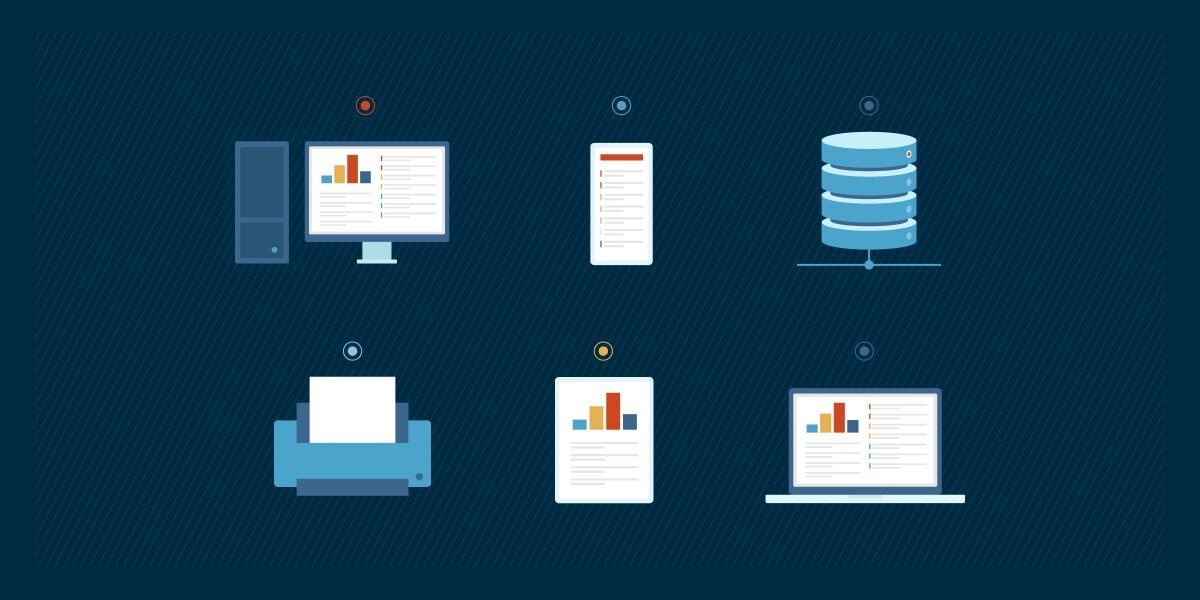
Using Data Sources for Unmanaged Device Discovery
During the manual scan for unmanaged devices, the following data sources are required:
- Network/Infrastructure Data: Gain insight into all devices by accessing the network infrastructure.
- Directory services: Use services such as Active Directory or Azure AD for user and device authentication.
- Endpoint Management Solutions: Leverage services like SCCM and Jamf Pro.
Using Microsoft Defender and NinjaOne for Security Around Unmanaged Devices
Microsoft Defender for Endpoint offers a built-in feature to detect and secure unmanaged devices and network devices. However, Microsoft's solutions limitations, and many IT partners require an independent, cross-platform solution. NinjaOne simplifies the process by automatically identifying and deploying assets via Microsoft Active Directory, facilitating the discovery of unmanaged devices and SNMP-enabled devices.
Keep Unmanaged Devices Off the Network
In an ideal world, there would be no need to find and manage unauthorized devices. However, new devices are constantly entering networks. To reduce the incidence of unauthorized and unmanaged devices, consider implementing policies such as:
- Requires administrators to place new devices in the desired inventory status before adding them.
- Implement logging to track unauthorized devices, their connections, and user logs for investigation and prevention.
- Conduct employee training with consequences for frequent connection of unauthorized devices.
Challenges and Solutions for Unmanaged Devices
While unmanaged devices pose an inherent security risk, there are several factors that impact their threat level. IT vendors and organizations should be aware of these challenges and take appropriate measures:
- Failure to conduct risk assessments poses a significant challenge. Flexible and technology-agnostic tools for device detection and management can be invaluable.
- Some devices have serious security vulnerabilities that can be difficult to address. Evaluate IoT tools and hardware for potential risks and ensure regular software updates.
- Configuration problems have led to many hacking. Change or remove the default login for administrators and address configuration issues to reduce risk.
- Insufficient network segmentation can allow hacker to leverage unmanaged devices. Segment these devices into their own network segments to improve security.
- Poor asset management is fundamental to cybersecurity. Identify all devices on the network, including Wi-Fi– and Bluetooth-connected devices.
By addressing these challenges and implementing comprehensive strategies, organizations can improve their cybersecurity posture and ensure the protection of their networks against the threats from












 Swedish
 Danish
 Norwegian
 Finnish
 English
 German
 Dutch
Dutch