




Atlassian Corporation has introduced new AI capabilities in Confluence that enable the transformation of content into formats such as charts, infographics, summaries, and other visual outputs.
Atlassian Corporation, known for its collaboration tools like Jira, Loom and Confluence, has unveiled new AI-powered features in its knowledge management platform. The launch is part of a broader strategy to integrate AI directly into workflows rather than in separate tools.
AI solves the “last mile” in knowledge management
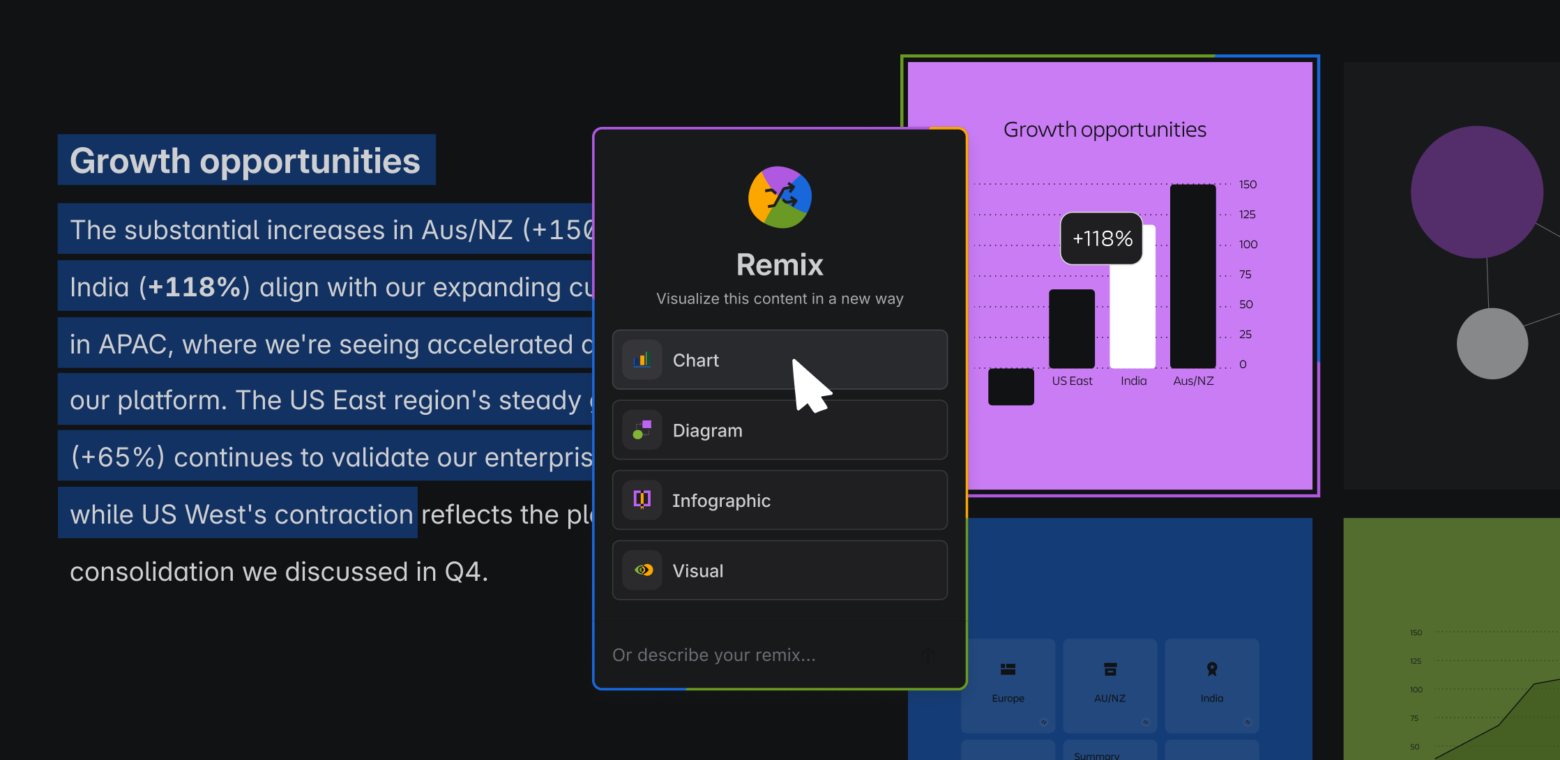
The new ”Remix” feature, currently in open beta, allows users to convert Confluence pages into visual outputs such as charts, infographics, and presentation-ready summaries.

The background is a well-known problem in organizations: knowledge is documented, but does not always reach the right recipients in the right format. According to Atlassian, it is not a lack of data or access, but how information is presented and consumed.
With Remix, users can mark up content such as paragraphs, tables, or entire documents and instantly generate visual representations without leaving the platform. The feature analyzes the content and automatically suggests the most relevant format based on context and usage patterns.
From static documents to dynamic workspaces
A key difference with Remix is that the feature is non-destructive. Instead of creating new files, visual layers are added on top of the original content, allowing organizations to maintain a single source of truth.
It also means that visual elements can be updated automatically when the source content changes, reducing the risk of incorrect versions and duplicate information.
At the same time, everything happens directly in Confluence, without the need for external tools. This reduces context switching and allows teams to focus on analysis and decisions instead of manual formatting.
From documents to prototypes and applications
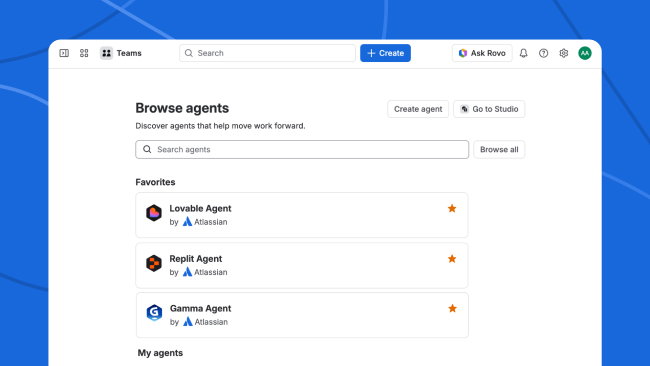
In addition to Remix, Atlassian is also introducing third-party agents built on the Model Context Protocol (MCP), opening up Confluence to a broader AI ecosystem.
The first agents include:
- Lovable Agent – converts product specifications into UI prototypes
- Replit Agent – turns technical documents into ready-to-run applications
- Gamma Agent – creates presentations from meeting notes and reports
These agents can be launched directly from Confluence and use the page content and metadata to generate results in external tools, all linked back to the original source, ensuring both traceability and context.
According to Atlassian, a single Confluence page can now serve as a starting point for multiple types of output, from management presentations to working prototypes and applications.
A clear strategy: AI where the work is already happening
The launch is part of Atlassian's larger push to integrate AI directly into the tools organizations already use. Rather than creating new platforms, the company is focusing on building intelligence into existing workflows.
This also includes previous AI efforts in Jira and other parts of the Atlassian ecosystem, where the goal is to reduce friction and accelerate product development.
By combining Remix with MCP-based agents, Atlassian positions Confluence as more than a documentation tool – as an active platform for creation, analysis, and innovation.
What does this mean for businesses?
This development shows how AI is rapidly changing how organizations work with knowledge and collaboration.
For companies, this means:
- Less manual work with reports and presentations
- Faster transformation from idea to prototype or decision
- Stronger connection between tools and workflows
- Better utilization of existing data and documentation
At the same time, the development reflects a broader trend in enterprise IT, where AI is no longer a separate layer but an integrated part of the daily work environment.
Atlassian plans to expand both the functionality of Remix and the number of partner integrations, which can further strengthen the platform's role in the digital workplace of the future.





 Swedish
 Danish
 Norwegian
 Finnish
 English
 German
 Dutch
Dutch