




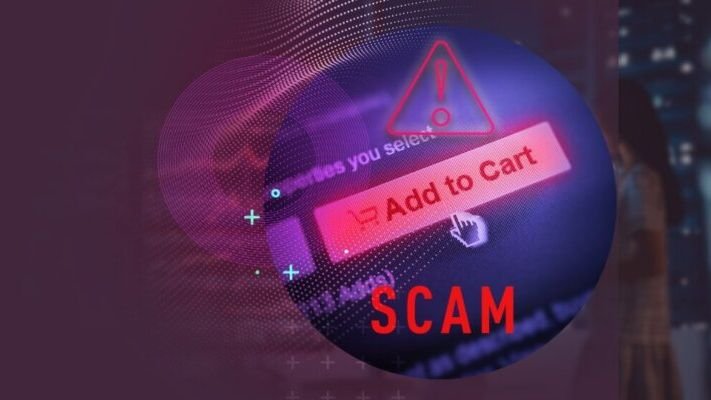
AI scams targeting European healthcare authorities are rapidly increasing in Europe as fake Ozempic and GLP1 are spread via sophisticated scam ads. This development now creates extensive risks for both consumers and authorities trying to protect the public from dangerous pharmaceutical fraud.
Check Point Software warns of a wave of increasingly sophisticated ads that mimic European health authorities to sell fake weight loss drugs. Criminal actors are using generative AI to create ads, texts, expert opinions and graphic elements that look identical to real government materials. The result is advertising that is perceived as official and credible by large groups of users.
Demand for GLP1 drugs such as Ozempic and Mounjaro has 2025 has created a market where criminals make quick money by launching counterfeit variants. These counterfeit products are often sold at high prices and presented as approved alternatives despite lacking controlled active ingredients.



AI is used to imitate authorities and create credibility
The scammers are copying visual elements from well-known authorities across Europe. These include the NHS in the UK, AEMPS in Spain, ANSM in France and BfArM in Germany. The ads are then designed to look like official recommendations, medical advice or warnings from these institutions.
Through generative AI, fraudsters can also create customized versions of their ads for different languages, regions, and audiences. This makes the campaigns harder to detect and stop because the content adapts in real time to user behavior.
AI fraudsters European healthcare authorities scale up their methods
Security researcher at Checkpoint describes how criminal groups are now building entire ecosystems around their fake medicines. This ecosystem is not limited to individual ads but consists of vast amounts of AI-generated material that together create a complete illusion of legitimacy.
The scammers use:
• AI created doctors and experts with fake titles
• digital laboratory reports and test results
• reviews that mimic real users
• locally customized before and after images
• fake store pages that resemble pharmacies in various EU countries
These elements create a holistic picture that makes it easier to deceive consumers searching for medical information online.

AI-generated videos make scams even harder to uncover
AI-generated videos that impersonate experts and public figures are becoming increasingly common. By using synthetic audio and facial movements, videos are produced that look authentic even upon quick review. This means that many users do not realize that the video is fake until it has already been shared and widely circulated.
In Sweden, a well-known profile has recently revealed that her face was used in advertising for fake GLP1 products without permission. This shows how quickly these frauds also spread in the Nordic countries.
Experts warn of loss of trust
Experts see how AI fraudsters are exploiting European healthcare authorities to create false medical credibility. This not only affects individual consumers but risks damaging broad trust in authorities across Europe.
When users are confronted with fake messages that look official, they are more likely to question real government messages. This is a dangerous development because it can lead to people no longer trusting important medical recommendations.

Sweden is being hit harder than before
More and more Swedish users are reporting that they have seen ads for fake GLP1 drugs in social media. These ads are often targeted to people who have recently searched for information about weight loss products. This makes the distribution effective because the algorithms prioritize ads that match the user's interests.
Recommendations for consumers
Check Point recommends that consumers always:
• checks medical information through official healthcare channels
• avoid buying medicines from unknown websites
• scrutinizes senders very carefully
• questions ads that use well-known profiles
The development shows how AI scammers are becoming a growing threat to European healthcare authorities. cyber threat throughout Europe. Technology is evolving rapidly, making it difficult to distinguish fake material from genuine government communications. This requires collaboration between governments, platforms, and cybersecurity actors to protect consumers from dangerous pharmaceutical fraud.
Read more here at Check Point:









 Swedish
 Danish
 Norwegian
 Finnish
 English
 German
 Dutch
Dutch