





Two days ago, hackers broke into an offline Ethereumwallet and stole $1.5 billion from the Bybit exchange. The incident marks a major shift in crypto crime. Attackers are now manipulating human vulnerabilities through social engineering and UI manipulation, rather than exploiting weaknesses in code.

A new study from Checkpoint Research shows that The Bybit attack is not an isolated case. Instead, it reflects a growing trend of attacks targeting crypto. As early as July 2024, Checkpoints Threat Intelligence system detected a pattern where hackers exploited the Safe protocol's execTransaction function to carry out sophisticated attacks. The Bybit breach now confirms that the method is evolving into a serious threat to the entire the industryCheck Point's system previously flagged a similar abuse of the execTransaction function, highlighting the increasing use of the method in targeted attacks against crypto institutions.
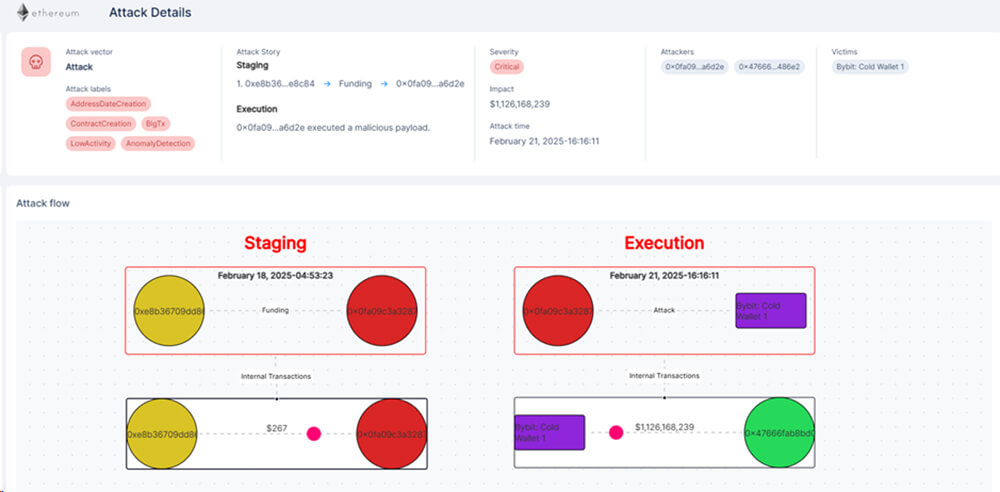
– The attack on Bybit comes as no surprise – in July last year revealed "We have the exact manipulation technique that the attackers used in this record-breaking heist," said Oded Vanunu, Head of Products Vulnerability Research at Check Point Research. Most alarmingly, even hardware wallets – once considered the most secure option – are now vulnerable. This attack shows that the only way to prevent cybercriminals from carrying out similar high-impact attacks in the future is to prevent and secure every step of a transaction in the first place.



Read more on Check Point's blog: https://blog.checkpoint.com/security/what-the-bybit-hack-means-for-crypto-security-and-the-future-of-multisig-protection/












 Swedish
 Danish
 Norwegian
 Finnish
 English
 German
 Dutch
Dutch